


By Orbit News Hub | April 29, 2026
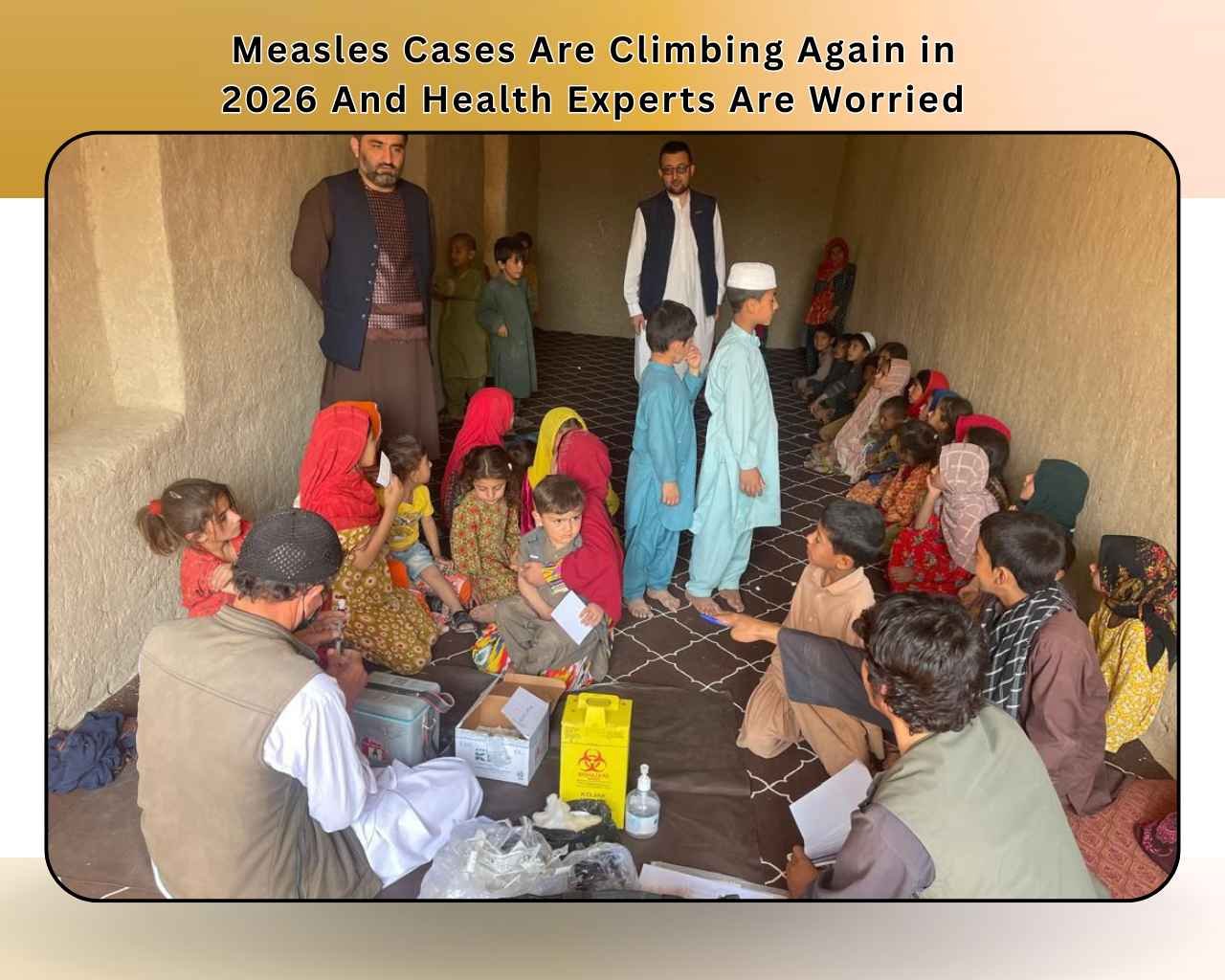
Measles Cases: In many parts of the world, the disease had become a distant memory. It was no longer in the headlines, and it seemed to be a thing of the past, but this illusion is now being shattered. By 2026, measles had come back into the public consciousness, with more and more cases being reported each year by the health authorities, including places where the disease had been eliminated for years. As a result, organizations around the globe have started to warn about the growing prevalence of the disease, claiming that this is an indication of decades-long problems in the area of public health care.
A Disease Once Under Control Is Making a Comeback
For years, measles was seen as largely contained in many parts of the world. It isn’t the case anymore.
There is now a significant increase in cases of infection detected in various regions by international health authorities such as the World Health Organization and Centers for Disease Control and Prevention in 2026. This spike cannot be attributed to any one region, as cases have been confirmed in the US, parts of South Asia, and regions already suffering from conflict or weak health systems.
Coverage from ABC News and BBC News points to a familiar but troubling pattern: fewer people are getting vaccinated on time, and gaps in protection are starting to show.
Doctors say this shift was predictable—but still preventable.
What Makes Measles So Easy to Catch?
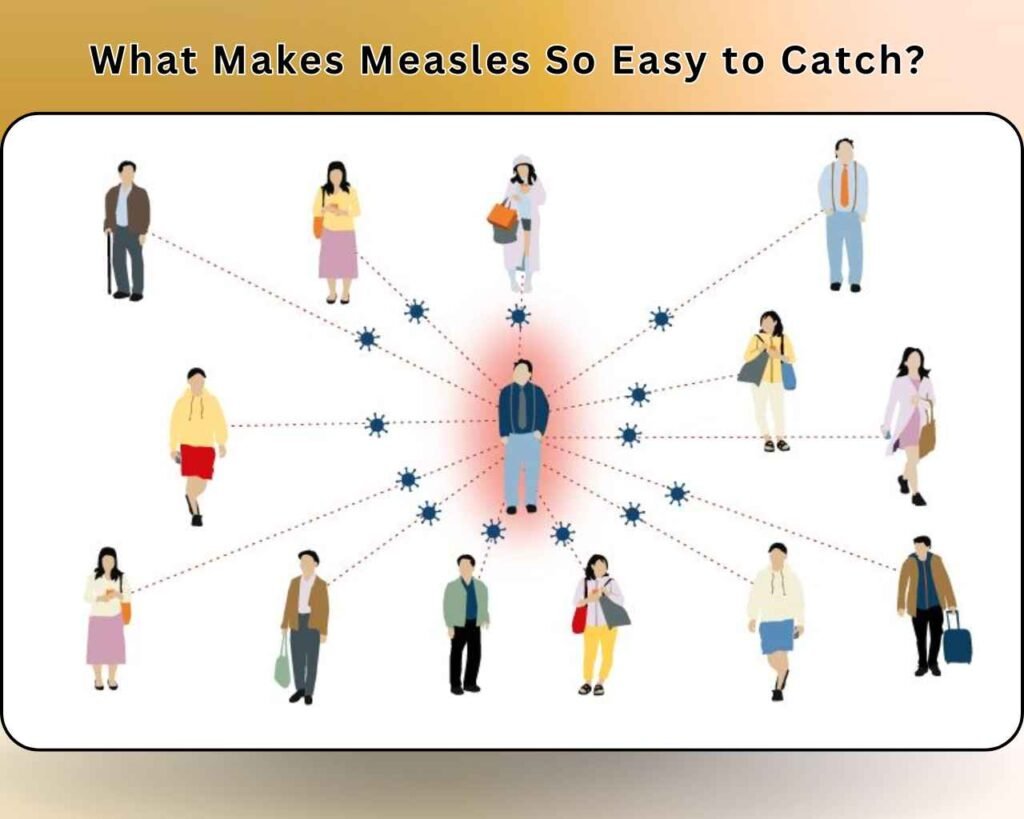
Measles spreads faster than most viruses people are familiar with. You don’t need close contact for long. Just being in the same room can be enough.
The infection usually starts quietly. A fever, maybe a cough. Runny nose, tired eyes. It can look like a common cold at first, which is part of the problem.
A few days later, things become clearer. A rash appears and begins to move across the body. By then, the person has often already exposed others.
For most, recovery happens within a couple of weeks. But not always.
Complications still occur, and they’re not rare in vulnerable groups. Young children, especially infants, face the highest risk. In more serious cases, measles can lead to pneumonia or swelling in the brain.
Why Are Cases Increasing Now?
Missed Vaccinations Are Catching Up
During the COVID-19 years, routine healthcare took a hit almost everywhere. Vaccination schedules were interrupted, delayed, or skipped entirely.
Now, those missed doses are starting to matter.
Health officials say even a small drop in immunization coverage can open the door for outbreaks. Measles doesn’t need much opportunity—it spreads quickly once it finds a gap.
Access and Misinformation Still Play a Role
In some regions, the issue is access. Clinics are far away, or resources are stretched thin.
In others, it’s hesitation. False claims about vaccines continue to circulate, making some families unsure about getting their children immunized.
Both problems lead to the same outcome: more people left unprotected.
The Vaccine Still Works — And It Works Well
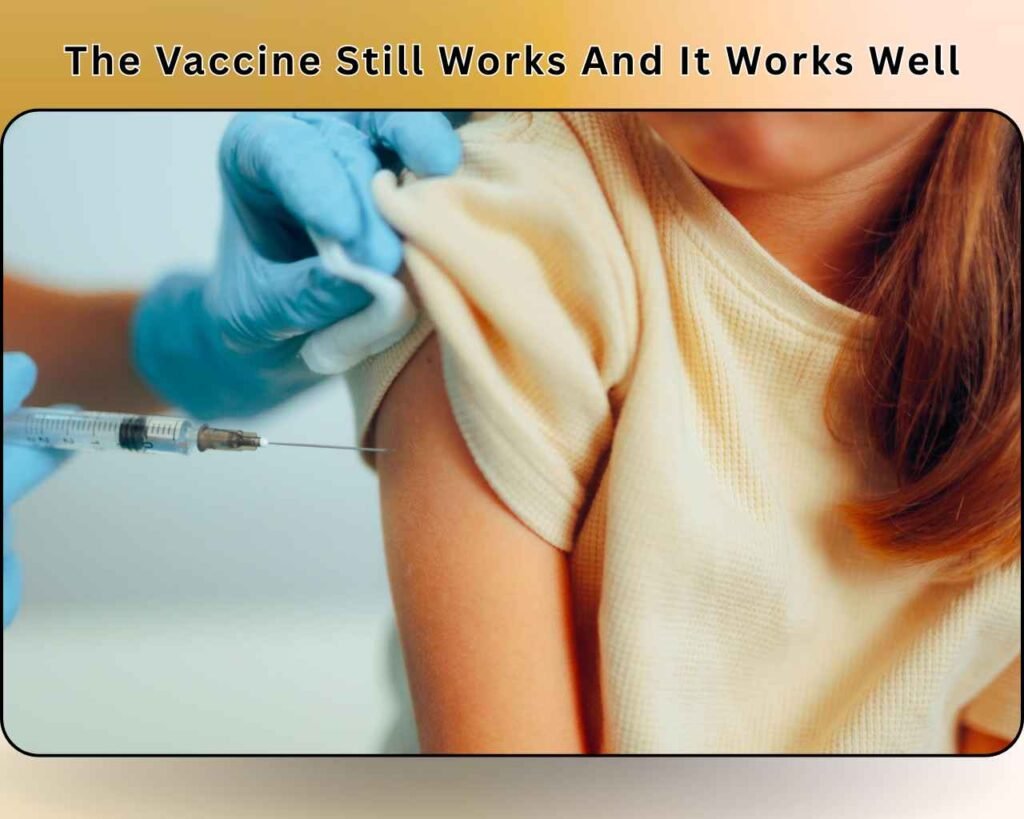
There hasn’t been a change in the science. The measles vaccine, commonly given as part of the MMR shot, remains highly effective.
According to the Centers for Disease Control and Prevention, two doses provide strong, long-lasting protection—around 97%.
Doctors aren’t calling for new solutions. They’re asking people to use the one that already exists.
In outbreak areas, health teams are increasing vaccination campaigns, sometimes going door to door to reach children who missed routine doses.
Efforts to Contain the Spread Are Already Underway
Governments and health organizations aren’t waiting for the situation to worsen.
Vaccination drives are being expanded. Public awareness initiatives have been restarted. Surveillance mechanisms are being strengthened to identify any potential outbreak at an early stage.
The World Health Organization has warned nations to move fast as any delay in action could make the outbreak uncontrollable.
A Reminder That Improvement Is Not Lasting
Measles had not disappeared; it was simply contained.
What’s happening now is a reminder of how quickly that control can slip. When vaccination rates fall, even slightly, the virus finds its way back.
Health experts say the solution is straightforward, but it requires consistency: keep immunization rates high, close the gaps, and respond early.
Otherwise, the scenario is likely to repeat itself.
FAQs
Has measles become more common?
Yes, it has in certain parts of the world. Cases have risen in 2026 after having declined consistently over time.
How does it spread so quickly?
The virus can linger in the air, making it easy to catch even without direct contact.
Who should be most concerned?
Infants, unvaccinated individuals, and people with weak immune systems face higher risks.
Is the vaccine still effective?
Absolutely. Vaccination still proves to be the most effective way to protect oneself against infection.
Disclaimer
This article draws its information from public reports and health-related information collected by global agencies like the World Health Organization, Centers for Disease Control and Prevention, ABC News, and BBC News.
Read My Website Recent News Article: NASA Finishes New Roman Space Telescope
