


Prevent nerve damage from chemotherapy proves difficult even after positive clinical trial results. Duloxetine, an antidepressant proven to alleviate neuropathy symptoms, does not stop peripheral neuropathy from developing. Researchers discovered that administering this medication prior to treatment did not protect patients from these side effects. In fact, the neuropathy of the feet affects a significant number of people and raises some important questions on how it can be prevented or reversed. Indeed, many of the patients wonder whether it could be possible to prevent this problem and whether it is possible to treat it if it already exists.
Large Randomized Trial Proves Duloxetine Ineffective at Preventing Nerve Damage

National Cancer Institute-funded research was conducted by the Alliance for Clinical Trials in Oncology to determine whether duloxetine prevents peripheral neuropathy induced by chemotherapy. Dr. Smith led the randomized study, which involved 199 adults with stages II or III colorectal cancer. Participants were recruited from 73 centers in the United States.
Patients had no neuropathy history and were randomly assigned into three groups, receiving either duloxetine 30 mg, duloxetine 60 mg, or placebo daily. Treatment started on the first day of oxaliplatin-based chemotherapy and lasted for 17 weeks. Outcomes were evaluated using a double-blind placebo-controlled method. Researchers employed a composite measure of peripheral neuropathy severity and onset through patient reporting several weeks after completion of chemotherapy.
The study protocol required responses on six sensory items in the European Organization for Research and Treatment of Cancer Quality of Life Questionnaire for Chemotherapy-Induced Neuropathy 20-item scale (EORTC QLQ-CIPN20). Response rates were at 65.2%, 66.0%, and 68.0% for duloxetine 30 mg, duloxetine 60 mg, and placebo groups, respectively. Researchers found no statistically and clinically significant differences between either duloxetine doses or placebo. The study reported adherence rates of 44.44%, 50.92%, and 65.57% for the 30 mg, 60 mg, and placebo groups, respectively.
Neuropathy caused by Chemotherapy for Colorectal Cancer
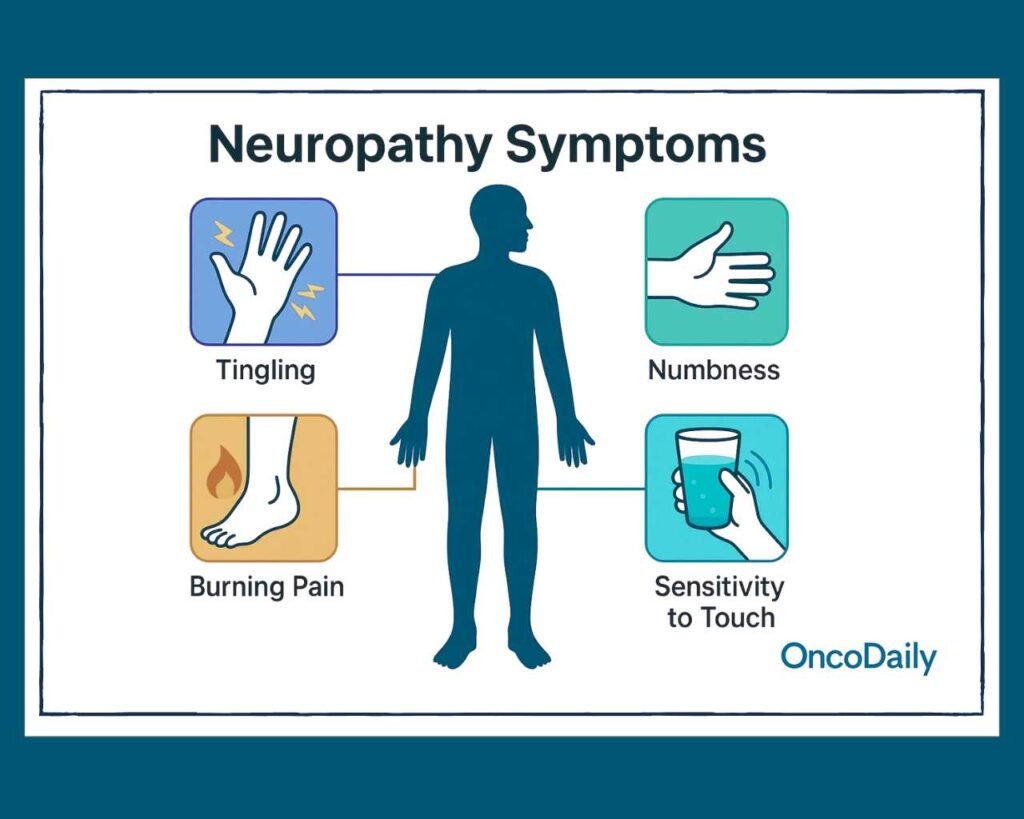
The agent oxaliplatin that is mostly used for the treatment of colon cancer can lead to two types of neuropathy. This condition develops either at the time of or soon after the use of this drug. It is observed exclusively in patients who take this particular medication. The signs of such neuropathy include tingling caused by contact with cold temperatures, affecting hands, feet, mouth, throat, and vocal cords. Sometimes, it is accompanied by muscle spasms. While this problem clears up within a few days, repeated drug administrations cause recurrence.
Onset of chronic neuropathy occurs at a dose level of 780-850 mg/m2 and involves 10-15% of patients. Numbness, paresthesia, and pain in hands and legs is experienced by patients. In severe cases, these neuropathies hamper normal functions such as writing, grasping things, wearing clothes, and even walking. In fact, it was observed that 68% patients were affected by peripheral neuropathy after one month of chemotherapy, while this number went down to 60% and 30% after three and six months, respectively.
The risk of chronic painful peripheral neuropathy among platinum and taxane drugs is quite high at 40.44% and 38.35%, respectively. Similarly, lung cancer patients have a high prevalence of neuropathy, accounting for 60.26%. As a result, 41.22% of patients with chemotherapy-induced peripheral neuropathy report pain persisting for at least three months. Grade 3 neurotoxicity recovers between six to 12 months, with the median recovery time being 13 weeks.
Treatment Options for Peripheral Nerve Damage Caused by Chemotherapy
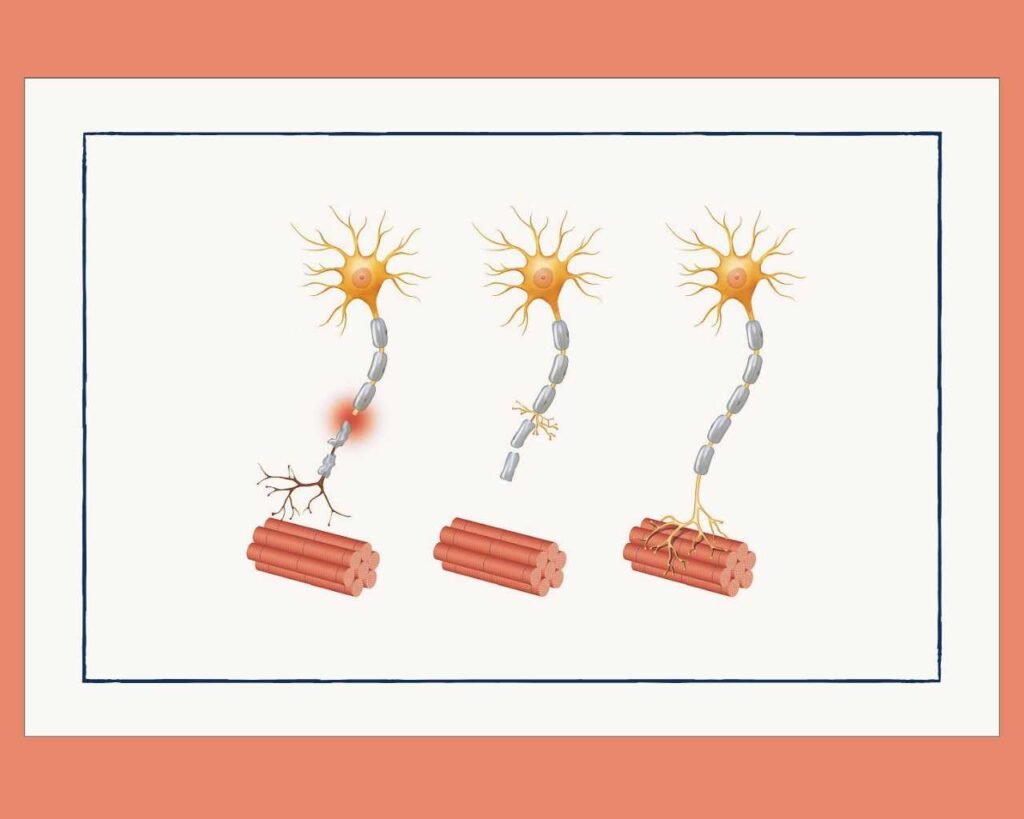
To date, there are no approved FDA drugs targeting peripheral nerve damage associated with chemotherapy. This challenge leaves a considerable gap in providing quality care for patients. Despite the lack of effective FDA drugs, only duloxetine is suggested under American Society of Clinical Oncology (ASCO) guidelines in managing established neuropathic pain. In a 2013 study, 59% of patients on duloxetine reported a reduction in pain compared to 38% on the placebo. Recently, however, systematic reviews have found contradicting results, with a meta-analysis reporting duloxetine to be statistically equivalent to placebo for both treatment and prevention.
Gabapentin, nortriptyline, and amitriptyline offer minimal effectiveness when tested in randomized controlled trials. Patients suffering from severe pain require opioid medications. However, this approach poses risks of dependency. According to ASCO guidelines, non-pharmacological methods used in clinical trial contexts include exercise, acupuncture, and scrambler therapy.
Conclusion
Considering all of the above, the trial on the use of duloxetine demonstrates that there are still many obstacles for the prevention of chemotherapy-induced peripheral neuropathy. There are no known medicines that would effectively prevent this condition in people who need to undergo oxaliplatin-based therapy. Thus, it appears that treatment consists solely of symptom relief while prevention methods should be developed. The compression therapy, cryotherapy, and targeted exercises could serve as alternative means of prophylaxis. Obviously, further investigation of both pharmacological and non-pharmacological treatments for this condition should be continued.
FAQs
Q1. Is it possible to reverse the nerve damage caused by chemotherapy?
Depending on the degree of damage, recovery may take from 6 to 12 months with the median of 13 weeks. According to the available studies, about 68% of patients suffer from neuropathy 1 month after finishing chemotherapy. After 3 months, 60% continue having symptoms, which decrease to 30% after six months.
Q2. Are antidepressants helpful for managing neuropathic pain induced by chemotherapy?
The only antidepressant approved by American Society of Clinical Oncology for chemotherapy-induced peripheral neuropathy is duloxetine. According to a study conducted in 2013, 59% of patients had a decrease in their neuropathic pain in contrast to only 38% from placebo. Nevertheless, duloxetine cannot be used to prevent nerve damage, as it manages the symptoms after they occur.
Q3. What are the most widespread neurologic adverse events caused by chemotherapy?
The most common neurologic complication of cancer treatment is chemotherapy-induced peripheral neuropathy. It usually manifests itself as sensory neuropathy with numbness, tingling, and pain sensation experienced in limbs. The platinum compounds and taxanes have high occurrence rates, with the total prevalence reaching 40%. Some other types of neuropathy, such as autonomic, motor, and cranial, are much less common.
Q4. How does oxaliplatin affect nerves?
Oxaliplatin produces two forms of neuropathy, namely acute and chronic ones. While acute neuropathy is characterized by fast-onset cold-induced tingling sensations that emerge in 100% of patients, chronic neuropathy has 10-15% incidence rate at doses ranging from 780 to 850 mg/m2. It causes numbness, weakness, and pain that could interfere with patient’s everyday activity.
Q5. Is there any way that can prevent neurotoxicity caused by chemotherapy?
Presently, there are no FDA-approved drugs which prevent neurotoxicity caused by chemotherapy. But some non-medicinal methods seem to be promising. The use of compression therapy through surgical gloves reduced the occurrence of neuropathy by 50%. Cryotherapy and exercises such as sensorimotor training have proven to be quite effective.
Legal Disclaimer: This article is strictly meant to provide information and does not substitute the advice provided by a licensed doctor. Always consult your doctor for any treatment choices.
Read My Website Recent News Article: Rain Fences in the Netherlands
