


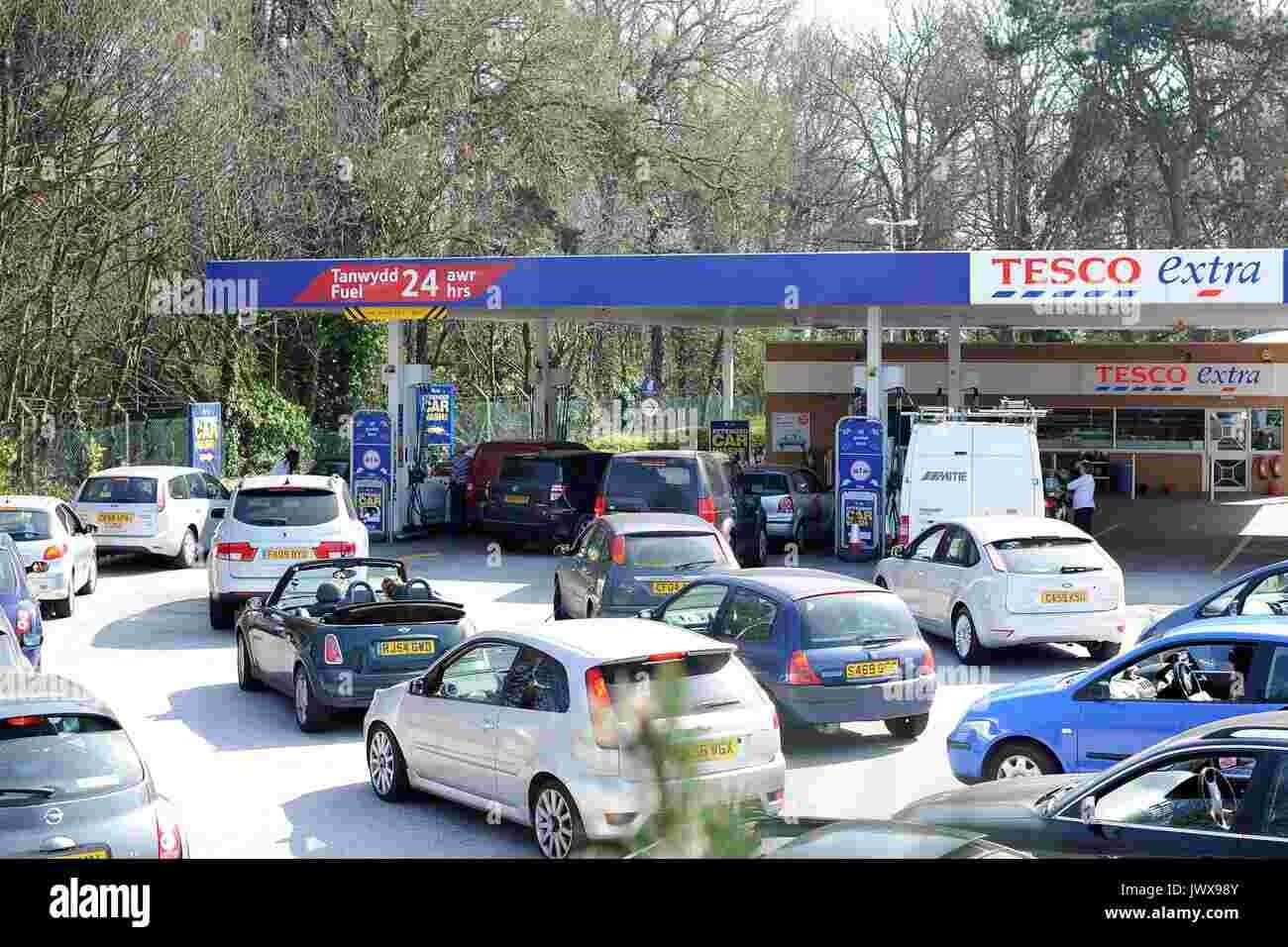
Experts Say: Panic buying is identified as the biggest threat to the fuel supply in Australia, as regional towns experience a sudden spike in fuel demand. In the Adelaide Hills and Barossa, fuel sales have increased by as much as 238%. In Victoria’s Mildura, it is around 100%. In addition, the price of petrol has increased as much as 25 cents a liter in major cities since the US-Israel war on Iran began. The price of fuel is now near-record for the average household, with bills edging towards $75 a week. While officials in the government have indicated that there is enough fuel in stock, they are of the opinion that the distribution network is designed for regular conditions and is not able to cope with the panic buying.
How Panic Buying Doubles and Triples Fuel Demand Across Regional Australia
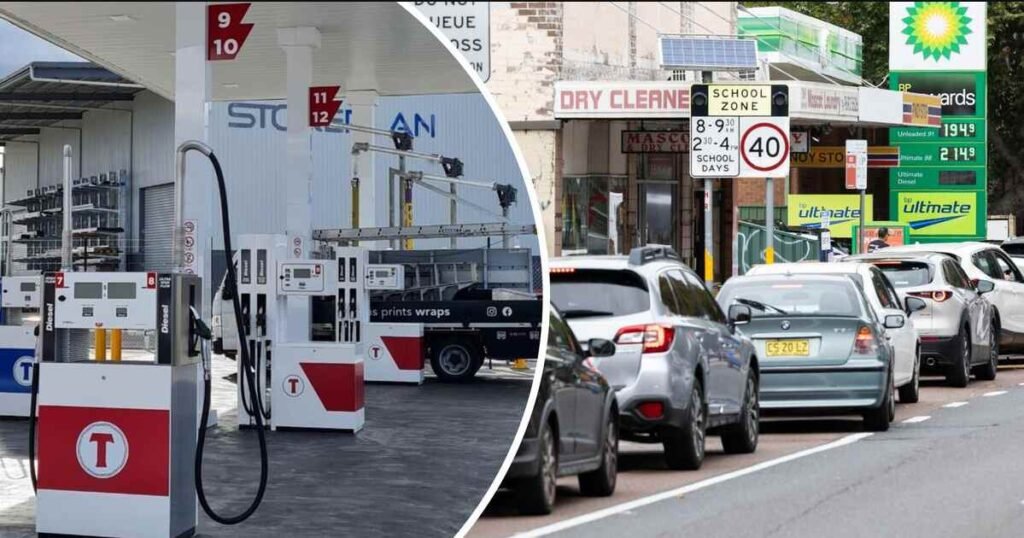
Image Source: 9News
In addition, regional service stations are now experiencing empty tanks as the need for fuel has doubled and even tripled in some of the key regions of the world. This has put pressure on the distribution networks, which were never designed for such increases in need. The Middle Eastern conflict has resulted in buying patterns that have changed the dynamics of the market in fundamental ways.
Barossa and Mildura Record 238% Surge in Sales
Fuel sales surged by 238% in the Adelaide Hills and Barossa region, while Victoria’s Mildura recorded a 100% increase in demand. Peter Jones, interim executive director of the Motor Trades Association of Australia, noted panic buying “actually changed a market dynamic”. The surge amplified existing challenges in country areas due to the time required to transport fuel to remote locations. Jones described the situation as a “tyranny of distance” that creates serious consequences for diesel-dependent farmers.
Industry experts say distribution systems built for normal circumstances cannot adapt quickly enough to meet extraordinary demand spikes. Independent petrol stations operating under supply arrangements rather than formal volume contracts face particular vulnerability during the crisis.
Regional Service Stations Run Dry
Bartranz Petroleum reported receiving only 10% of its usual fuel volume allocation from Brisbane. The company expressed frustration at government assurances of no shortage, stating the distinction between supply and distribution problems matters little when rural Australia cannot access fuel. Similarly, Transwest Fuels reported zero petrol supply at Newcastle and Brisbane terminals, warning stations would remain empty once current stocks depleted.
Wholesalers began rationing stock as independent retailers ran out of E10 and unleaded first, followed by diesel shortages. In Geraldton, 420 kilometers north of Perth, a bulk fuel supplier manager confirmed orders to deliver only half of what customers requested. Brad Symington of Great Southern Fuels stated customers ordering 20,000 liters now receive 10,000, adding he had never witnessed such restrictions. Suppliers face threats of complete cutoff if they fail to adhere strictly to rationing directives.
Farmers Struggle to Access Diesel Supplies
Danny Kreutzer, a fuel distributor catering to farms and transport companies, witnessed his daily allocation dwindle from 450,000 liters to merely 45,000. Wholesale fuel is reserved for retail use, leaving farms in the lurch for supplies. Farmers are paying as much as $2.30 per liter for premium-grade diesel fuel, an increase of 50 cents in the span of a week. Wholesale prices are up by 40 cents a liter in less than seven days.
Farmer Layton Free received notification on Thursday about allocation systems and learned the following day that there was no allocation at all and no end in sight. The nature of the agricultural industry means delays of weeks are catastrophic in the production cycle.
Government Dismisses Shortage Claims as Minister Urges Calm

Federal authorities maintain Australia has no fuel shortage despite widespread reports from regional communities. Energy Minister Chris Bowen stood before Parliament to urge calm, pointing to panic buying as the primary threat to availability rather than any disruption to incoming supplies.
Chris Bowen Addresses Parliament on Fuel Availability
Bowen declared shortages resulted from panic buying in regional communities rather than supply interruptions. No shipments of diesel, petrol or jet fuel to Australia had been interrupted. The minister acknowledged the massive demand spike that saw fuel sales surge by 238% in the Adelaide Hills and Barossa, and 100% in Victoria’s Mildura.
“The biggest risk to availability in Australia right now is panic buying,” Bowen said, addressing farmers experiencing diesel difficulties. He emphasized the challenges farmers faced stemmed not from lack of fuel entering the country but from managing extraordinary demand increases. Australia held a months worth of petrol and diesel in reserve, with minimum stock obligations providing fundamental fuel security.
Bowen instructed his department to issue daily updates on fuel reserves rather than the usual quarterly briefings, despite insisting Australia had no supply problems.
Emergency Taskforce Convenes to Monitor Supply Chains
The government convened an emergency meeting Tuesday afternoon of a rapidly assembled taskforce bringing together peak farming, transport and fuel bodies alongside four federal ministers. Industry Minister Tim Ayres, Agriculture Minister Julie Collins, and Transport Minister Catherine King joined Bowen at the roundtable. The taskforce included farming organizations, fuel suppliers, and the peak lobby group for the fertilizer industry facing a global supply crunch.
The group committed to sharing information and identifying emerging issues. National Farmers Federation president Hamish McIntyre welcomed having farmers at the table.
Ships Continue Arriving Despite Middle East Conflict
Bowen confirmed every expected diesel supply arrival in recent days and coming weeks had arrived on schedule as expected. Australia currently held 34 days of diesel, 32 days of jet fuel and 36 days of petrol available. These stocks sat at their highest levels in 15 years.
The figures included fuel already in Australia or on ships within Australia’s economic zone, but not tankers still overseas. While the Strait of Hormuz remained closed to oil tankers, carrying a quarter of global oil supply typically, contractual obligations continued being honored.
Industry Experts Say Distribution Problems Create Vicious Cycle
Distribution bottlenecks expose structural weaknesses in Australia’s fuel supply network, creating what industry experts say amounts to a self-perpetuating crisis that hits rural communities hardest.
How Wholesale Fuel Gets Reserved for Major Cities
Major fuel wholesalers such as Ampol, BP, Mobil, and Viva limited their supplies to contracted customers, thereby cutting off independent distributors who relied on ad hoc purchases from these organizations. Independent wholesalers were also having difficulties in acquiring extra quantities of their products due to increased demand. A company tried to source their products from organizations with bigger market share but found that all had implemented measures to ensure that their demand was met for contracted customers.
Independent Stations Face Back-of-Queue Resupply Issues
Independent petrol stations operating under supply arrangements rather than formal contracts face placement at the back of resupply queues. Peter Jones of the Motor Trades Association noted independents without contracts may be unable to request top-ups as they normally would. One Queensland distributor received just 10% of usual daily liftings from Brisbane despite no interruption to refined product imports from Singapore.
Tyranny of Distance Amplifies Rural Impact
Deliveries to remote areas cost two to three times more than urban deliveries owing to longer distances, limited economies of scale, and higher fuel costs. Remote community residents pay 39% more for supplies than capital city consumers on average.
Customer Aggression Increases as Prices Spike
Jones urged respect for service station staff amid reports of customers becoming abusive or aggressive when fuel is unavailable or prices exceed expectations. Industry bodies advised businesses to ensure staff understand how to handle physical aggression.
What Experts Say About Fuel Prices Going Above $2 Per Liter
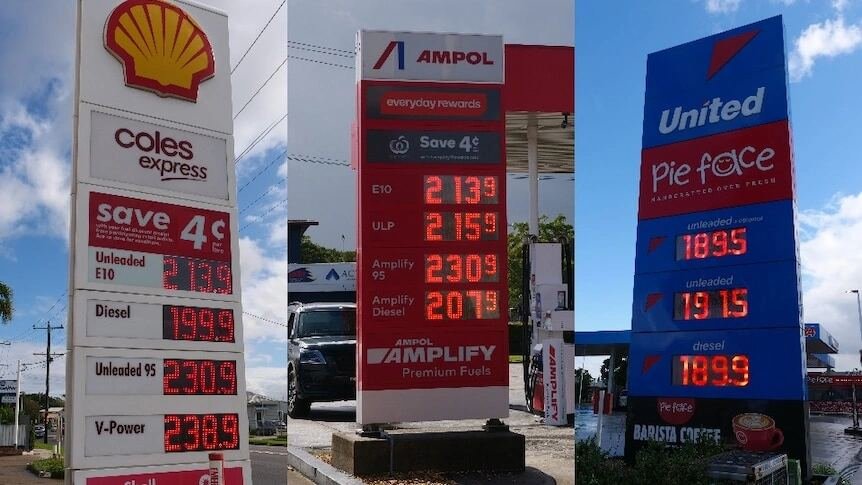
Image Source: ABC News
Oil prices are always volatile because of the war between the United States, Israel, and Iran. Experts believe this war is not likely to end anytime soon.
Brent Crude Linked to US-Israel-Iran Conflict
Brent crude oil rose by 6.2% to $77 per barrel after the US-Israel strikes in Iran, although it rose to $82 per barrel at one point. On March 9, 2026, crude oil prices rose by close to 60% in the past 30 days, touching levels not seen in years. This is because of the fear of long-term disruptions in the Hormuz waterway.
Adam Creighton, chief economist at the Institute of Public Affairs, said, “Geopolitical tensions are causing oil prices to increase.” According to him, crude oil prices have gone up by 10% since the conflict began, trading at $80-$90 per barrel.
Analysts See Months of Conflict Ahead
Experts believe that oil prices could go up to $110 per barrel or even beyond, depending on the level of tension in the region. According to Creighton, this could lead to oil prices going beyond $100 per barrel, meaning that fuel prices could go up to $3.00 per liter.
Currently, Vivek Dhar, energy analyst at CBA, said, “Oil levels are already at $75-$80 per barrel, meaning that fuel prices could go up to $1.90 to $2.00 per liter.”
Average Household Fuel Bills Near Record Highs
AMP chief economist Shane Oliver said, “If oil prices go to $100 per barrel, fuel prices could go up to $2.13 per liter, meaning that the average petrol bill per week could be $74.55.”
FAQs
Q1. Why are fuel prices increasing at such a rapid rate in Australia?
Fuel prices rise because of tension in the Middle East, which impacts global oil supplies. People buy more fuel than usual because of this tension. As a result, fuel demand surges. The Strait of Hormuz closure for oil tankers causes a rise in fuel prices because shipping insurance premiums increase fuel costs. Petrol stations raise their fuel prices in response to this sudden rise in fuel costs.
Q2. Is there really a fuel shortage in Australia?
According to government officials, no fuel shortage exists in Australia. Australia has more than 30 days’ worth of fuel reserves in stock. In addition, fuel shipments continue to arrive in Australia. The fuel shortage is a result of panic buying, which causes fuel demand to surge unusually. As a result, fuel supplies cannot keep up with this unusually high fuel demand.
Q3. Why do regional areas run out of fuel before metropolitan areas?
Fuel stations in regional areas run out of fuel because these stations have a harder time replenishing fuel stocks during peak demand periods. In metropolitan areas, fuel suppliers service their wholesale customers on a priority basis during peak periods. Independent fuel stations, on the other hand, must wait in a fuel resupply queue until fuel is available. In addition, fuel supplies in regional areas take a long time to arrive because these areas are remote from fuel suppliers.
Q4. What is the bad cycle caused by panic buying in fuel supply?
When panic buying doubles or triples the usual demand for fuel, the supply of fuels will be affected since it is only meant for regular use. When panic buying takes place due to fear of fuel shortages or increased prices, it actually creates the very problem it sought to avoid. This leads to another round of panic buying, which affects supply and increases prices, particularly for rural areas and farmers who use diesel.
Q5. Will fuel prices go down again after the crisis?
Generally, prices go down after the crisis when global oil prices normalize. However, it takes longer for prices to go down than for prices to go up during the crisis. Experts claim that since people are accustomed to high prices, it is easy for retailers to maintain high prices despite the fall in costs.
Read my Website recent article: FOXJ3 Gene
