


ICC Champions Trophy 2026: The upcoming ICC tournaments in 2026 will kick off with an electrifying Ashes finale between Australia and England at the Sydney Cricket Ground on January 4. Looking ahead, cricket fans worldwide will witness an action-packed calendar featuring multiple prestigious events. Notably, the ICC Men’s T20 World Cup stands as the first major tournament, scheduled from February 7 to March 8, with India and Sri Lanka serving as co-hosts.
In fact, this T20 World Cup will feature 20 teams competing across various venues in both countries [-5]. What makes this tournament particularly fascinating is India’s position as reigning champions attempting to defend their title—a feat no men’s team has ever accomplished in T20 World Cup history. Furthermore, India enters this challenge with remarkable momentum, having gone unbeaten through the Champions Trophy and establishing an impressive 24-1 win-loss record in the last three ICC white-ball events. As we look at the broader landscape of ICC events scheduled for 2026, cricket enthusiasts can also anticipate the Women’s T20 World Cup and the Men’s Under-19 World Cup, setting the stage for what promises to be an extraordinary year of international cricket competition.
How are top teams preparing for the ICC Champions Trophy 2026?
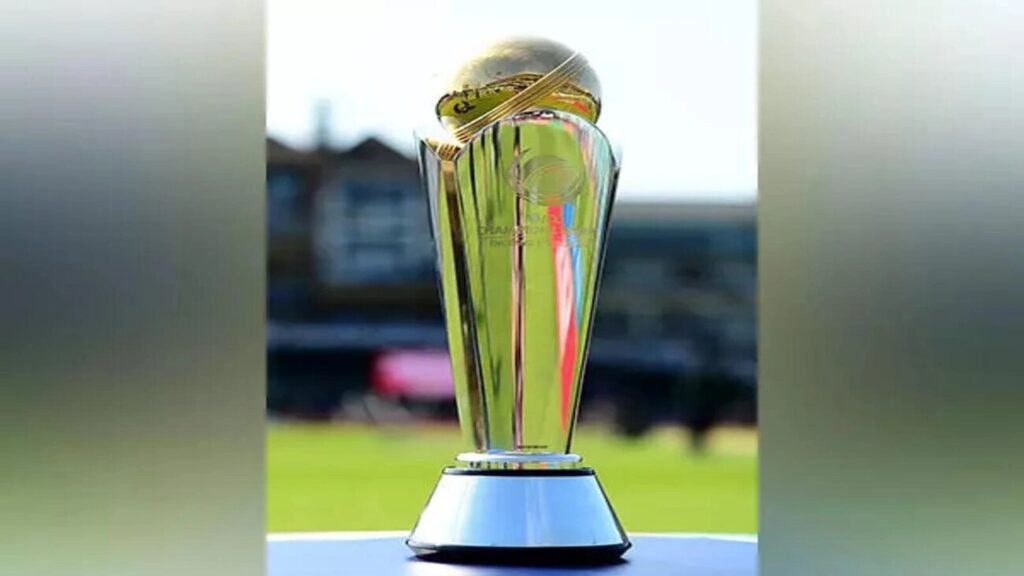
With major ICC events on the horizon, top cricket nations have already launched intensive preparation campaigns for the ICC Champions Trophy 2026. As cricket boards establish their roadmaps, the lessons from the 2025 tournament remain fresh in their strategic planning.
India, Pakistan, and England begin early camps
Leading cricket nations have initiated specialized training camps nearly a year before the tournament. India’s preparation strategy builds upon their previous “if it ain’t broke, don’t fix it” approach that served them well in the 2025 Champions Trophy. Moreover, the BCCI has scheduled a comprehensive ODI calendar for 2026, including crucial series against New Zealand (January), Afghanistan (June), England (July), West Indies (September), and Sri Lanka (December). These matches are strategically positioned to provide consistent white-ball cricket experience throughout the year.
Pakistan, meanwhile, has implemented structural changes after their 2025 performance. Their preparation includes extended training at home venues in Lahore, Karachi, and Rawalpindi. Since these stadiums hosted matches during the previous Champions Trophy, their familiarity with conditions offers a significant advantage. Simultaneously, England has established rotating camp systems focusing on players’ technical adjustments to subcontinental conditions.
Focus on white-ball specialists and squad depth
Teams are increasingly prioritizing specialists over all-format players. India exemplifies this trend with veterans Virat Kohli and Rohit Sharma, who at 37 and 38 respectively, have transitioned away from Tests and T20Is to focus exclusively on ODIs through 2026. The team management believes their experience alongside younger players will be vital for the 2027 World Cup, making every ODI in 2026 a key rehearsal.
India’s selection committee has additionally emphasized creating balanced squads with:
- Multi-dimensional players who can contribute with both bat and ball
- Strategic mix of left and right-handed batting options
- Specialists in spin-friendly conditions
This focus stems from their experience in the 2025 Champions Trophy, where including players like Axar Patel, Washington Sundar, and assessing Shivam Dube provided crucial squad depth. Though initially questioned, India’s spin-heavy approach for the slow surfaces in Dubai proved effective during the 2025 tournament.
Selectors eye form in T20 World Cup and IPL
The selectors are closely monitoring player performances across formats. The T20 World Cup co-hosted by India and Sri Lanka from February 7 to March 8, 2026, serves as a critical evaluation platform for players’ mental fortitude and ability to perform under pressure. Given that the Champions Trophy will be played across Pakistan and neutral venues, adaptability to different playing conditions becomes essential.
Additionally, the IPL remains a vital talent identification mechanism. The breakthrough of youngsters like Yashasvi Jaiswal, who earned his maiden ODI call-up after an impressive Test performance scoring 1478 runs in 15 matches during 2024, illustrates how performances in one format can influence selection across others.
For teams like Australia, managing player workloads has become paramount following their experience in 2025 when they lost Pat Cummins, Josh Hazlewood, and Mitchell Starc to various reasons. Consequently, cricket boards are developing more comprehensive physical conditioning programs specifically designed for the Champions Trophy’s unique scheduling demands.
Why India’s leadership transition could shape their campaign
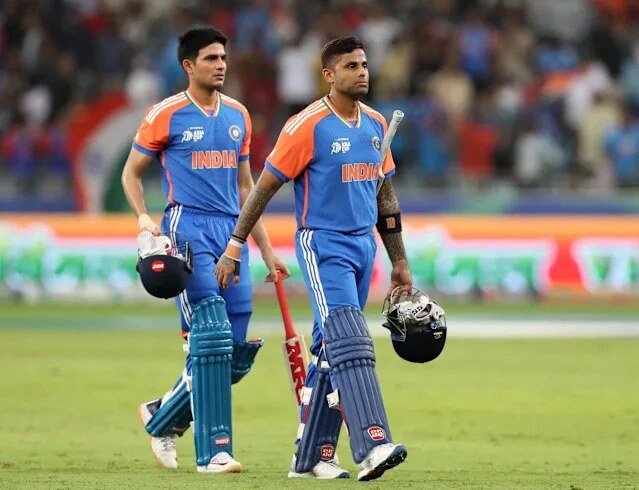
India’s cricket landscape has undergone a significant leadership metamorphosis heading into the ICC Champions Trophy 2026. While previous sections discussed overall preparation strategies, the captaincy changes represent perhaps the most decisive factor in India’s campaign prospects.
Suryakumar Yadav leads T20 side post Kohli-Rohit era
As the curtain falls on the Kohli-Rohit leadership era, Suryakumar Yadav has emerged as India’s T20I captain—a position that carries substantial weight. His appointment marks a fundamental shift in India’s approach to white-ball cricket, emphasizing aggressive intent and tactical flexibility. After his breakthrough performances in 2024, Yadav’s leadership style contrasts sharply with his predecessors—he brings calculated aggression rather than technical orthodoxy.
The transition hasn’t been without challenges. Yadav’s initial captaincy record shows mixed results, yet his ability to maintain personal batting excellence while managing leadership responsibilities has impressed selectors. His innovative tactical approaches, especially regarding bowling rotations and field placements, have become hallmarks of his captaincy.
Beyond statistics, Yadav’s relationship with head coach Gautam Gambhir has shaped team dynamics. Their shared philosophy of fearless cricket has permeated through the squad, creating a distinctive team identity that differs markedly from previous eras.
Shubman Gill’s role in ODIs and Tests under scrutiny
Concurrently, Shubman Gill’s development as a future leadership prospect has gained momentum. Initially groomed as a red-ball specialist, Gill’s evolution into an ODI stalwart has accelerated his leadership trajectory. His captaincy apprenticeship began with India A tours followed by domestic leadership responsibilities with Gujarat Titans in the IPL.
Despite his technical proficiency, questions persist about Gill’s tactical acumen under pressure—an aspect that became evident during challenging overseas tours. Nevertheless, the selectors view his calm temperament as perfectly suited for the Champions Trophy’s high-pressure environment.
What makes Gill particularly valuable is his adaptability across formats. Unlike specialized players, he maintains consistent performance standards in Tests, ODIs, and T20Is—a versatility that provides selectors with multiple strategic options heading into major tournaments.
Selectors hint at long-term captaincy plans
Behind closed doors, India’s selection committee has outlined a comprehensive leadership roadmap extending beyond 2026. Rather than a single captaincy model, they’ve adopted a format-specific approach—different captains for different formats—designed to balance workload management with strategic specialization.
This multi-captain strategy represents a significant philosophical departure. Historically, India preferred consistency with a single captain across formats. However, the current approach acknowledges the increasingly specialized nature of each format and the physical demands of modern cricket.
The roadmap includes clear succession planning with captaincy understudies identified for each format. Rishabh Pant and KL Rahul remain in contention for leadership roles depending on fitness and form, while Hardik Pandya’s position fluctuates based on his all-round capabilities.
Most tellingly, selectors have introduced performance-based leadership retention criteria—captains must meet specific result thresholds to maintain their positions. This accountability-centered approach reflects lessons learned from previous ICC tournament disappointments where leadership transitions occurred too close to major events.
As preparations intensify for upcoming ICC tournaments, these leadership dynamics will undoubtedly shape India’s strategic direction and ultimately determine their Champions Trophy fortunes.
Can Pakistan bounce back after 2025 disappointments?
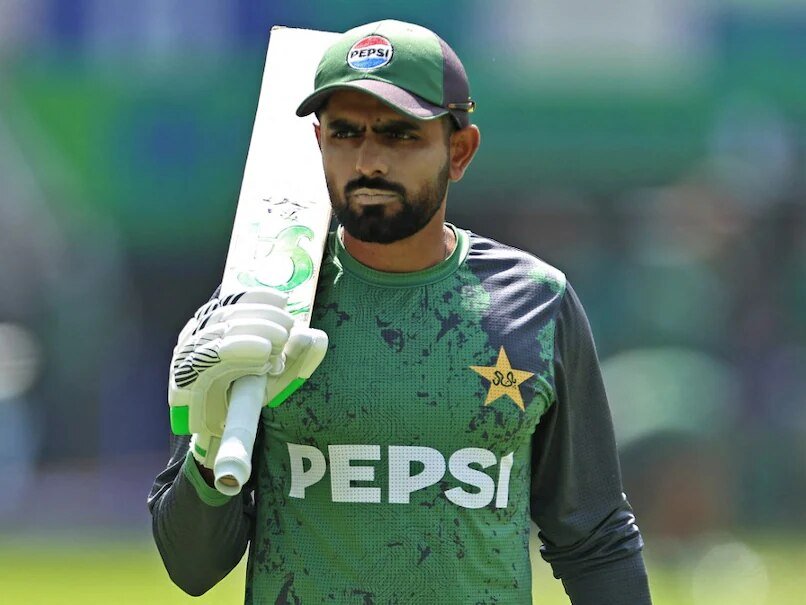
Pakistan’s dismal showing at the ICC Champions Trophy 2025 has prompted an extensive rebuilding phase ahead of the 2026 tournament. After becoming the first host nation since 2002 to exit a Champions Trophy without recording a single win, the cricket-mad nation is determined to rewrite their story.
Pakistan’s Champions Trophy exit fuels motivation
The early elimination from their home tournament damaged not just team morale but carried significant financial consequences. The PCB’s substantial investment of approximately 1.8 billion rupees in stadium upgrades yielded miWhat role do ICC events play in team strategies?nimal returns as Pakistan played just one completed home game. Analysts now suggest the team’s brand value has taken a considerable hit, making it potentially challenging to attract sponsors.
This harsh reality has created an unexpected sense of purpose. The PCB Chairman Mohsin Naqvi framed the situation aptly, stating that “successful hosting of the ICC Champions Trophy was a victory for a peaceful and secure Pakistan” — yet acknowledging that on-field success remains paramount for maintaining cricket’s popularity.
New coaching staff and fitness regimes introduced
In response to their tournament disappointment, Pakistan has undertaken a structural overhaul. The appointment of former New Zealand coach Mike Hesson as white-ball head coach represents a significant shift. PCB Chairman Naqvi emphasized that “Hesson brings with him a wealth of international experience and a proven track record of developing competitive sides”.
Complementing this change, Aaqib Javed, who briefly served as interim coach, has assumed the role of Director of High Performance. Together, they oversee:
- Intensified three-hour training sessions focusing on specialized drills
- Enhanced fitness regimens with player-specific conditioning plans
- Greater emphasis on ODI cricket as the primary format for Champions Trophy preparation
Key players like Babar and Shaheen return to form
Former captain Babar Azam and pace spearhead Shaheen Afridi, despite their recent T20I exclusions, remain central to Pakistan’s long-term plans. Hesson has been clear about areas requiring improvement, particularly Babar’s strike rate in limited-overs formats.
“No doubt strike rate is important in T20 cricket but you have to combine it with a volume of runs,” Hesson noted regarding Babar’s technical adjustments. For Shaheen, the focus centers on regaining his white-ball effectiveness after a period of inconsistent performances.
Similarly, opener Fakhar Zaman has prioritized fitness enhancements, stating “I’m working on my fitness. There’s always room for improvement”. His enthusiasm mirrors the team’s renewed focus: “Since I started playing cricket, this is the first time an ICC event is being held in my country. It feels amazing”.
As preparations intensify for the upcoming ICC tournaments, Pakistan’s path to redemption lies in successfully blending experienced campaigners with emerging talent under fresh leadership.
What role do ICC events play in team strategies?
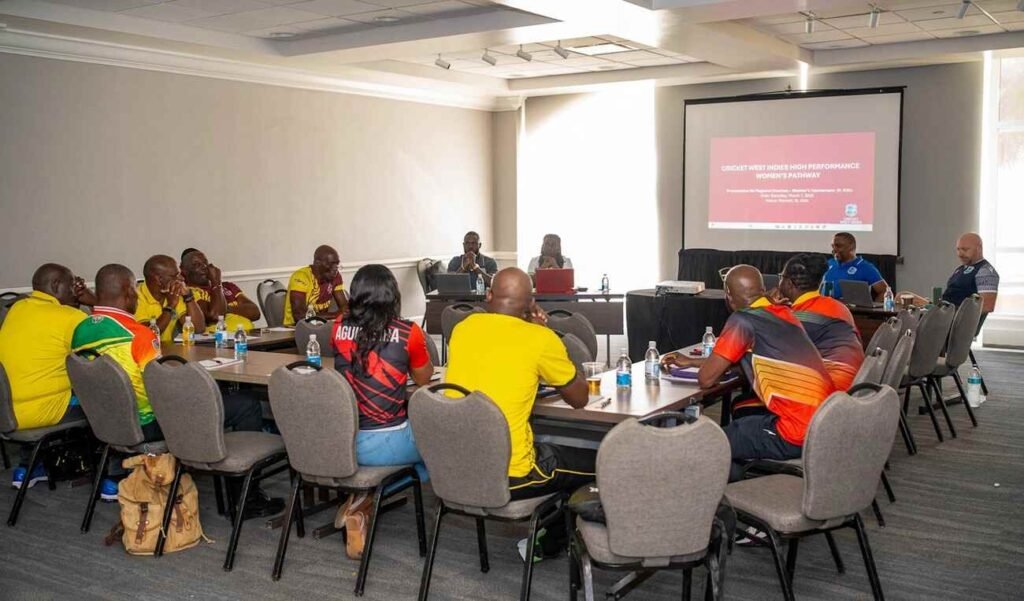
ICC tournaments increasingly serve as strategic linchpins in cricket’s evolving international landscape. Beyond just competing for trophies, teams now view these events as interconnected pieces of their long-term planning puzzles.
T20 World Cup performances influence ODI selections
The T20 World Cup, scheduled from February 7 to March 8, 2026, with India and Sri Lanka as co-hosts, has become a crucial evaluation platform for selectors. Though formats differ substantially, performances under pressure in T20Is often reveal qualities that translate across formats. This tournament features 20 teams competing across various venues, creating diverse playing conditions that test adaptability—a quality equally valuable in ODI cricket. Accordingly, strong T20 World Cup showings frequently lead to ODI opportunities, as teams seek to identify players who perform consistently across formats.
Women’s and U19 World Cups offer talent pipelines
The ICC Under-19 Women’s T20 World Cup has emerged as an essential talent identification mechanism. India’s dominance in this tournament—winning both the inaugural 2023 event and defending their title in the second edition—demonstrates how these platforms cultivate future stars. The tournament’s expansion to sixteen teams has broadened the talent pool, with players like Gongadi Trisha (425 runs between 2023-2025) transitioning from youth cricket to senior consideration. Subsequently, Malaysia and Thailand will jointly host the 2025 tournament, followed by Bangladesh and Nepal co-hosting in 2027, furthwith expanding cricket’s global footprint.
Champions Trophy seen as stepping stone to 2027 ODI World Cup
Former India captain Anil Kumble explicitly frames the Champions Trophy as preparation for the 2027 ODI World Cup, noting that “ideally, at the end of this tournament, you must start looking ahead to the next World Cup”. Essentially, he advocates that “the new set of players will need a consistent run of games playing with each other”—emphasizing that successful World Cup campaigns require “at least 20 or 25 matches together”. The Champions Trophy’s competitive nature makes it particularly valuable, with India’s coach Gautam Gambhir describing it as “a completely different challenge” where “literally every game is a make-or-break”.
Which fixtures will define the road to the Champions Trophy?
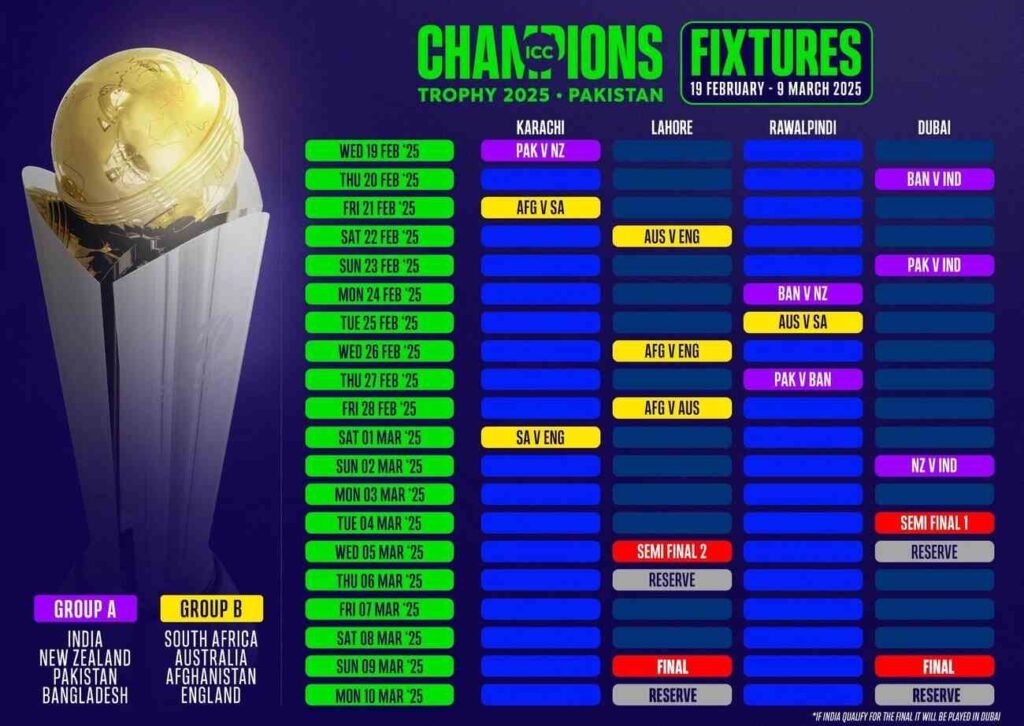
As calendar considerations take center stage, several crucial bilateral series in 2026 will serve as decisive preparation grounds for teams heading into the Champions Trophy.
India vs England ODIs in July as key test
The three-match ODI series between India and England, scheduled for July 14-19, represents a critical assessment opportunity for both sides. Beginning at Birmingham’s Edgbaston, followed by Cardiff’s Sophia Gardens, and concluding at the historic Lord’s Cricket Ground in London, this series could potentially mark one of the final England appearances for veterans Kohli and Rohit. These matches will provide valuable insights into both teams’ Champions Trophy readiness just months before the tournament.
Pakistan’s tour of England in August–September
Pakistan’s three-Test series in England, running from August 19 to September 9, though not in the same format as the Champions Trophy, offers vital exposure to conditions. After their disappointing performance in 2025, this tour provides an opportunity to rebuild confidence and assess their red-ball specialists who might cross over to the ODI squad. This series follows their comprehensive home season where they played nine Tests against Bangladesh, England, South Africa, and the West Indies.
Australia’s late-year series in South Africa and India
Toward the end of 2026, Australia faces challenging away assignments with a South Africa tour featuring three Tests and three ODIs. This tour, alongside potential fixtures in India and New Zealand, will complete their Champions Trophy preparation cycle. Australia’s focus remains on maintaining their strong record in ICC events, having previously won the Champions Trophy in 2006 and 2009.
Conclusion
The ICC Champions Trophy 2026 promises to be a watershed moment in international cricket, bringing together elite teams with carefully crafted preparation strategies. Teams have certainly recognized the tournament’s significance, establishing specialized training camps and implementing comprehensive roadmaps nearly a year before the competition. India builds upon their successful “if it ain’t broke, don’t fix it” approach while Pakistan undertakes complete structural overhauls following their disappointing 2025 campaign. England, meanwhile, focuses on technical adjustments specifically tailored for subcontinental conditions.
Leadership transitions, particularly within Indian cricket, will undoubtedly shape the tournament’s competitive landscape. Suryakumar Yadav’s appointment as T20I captain marks a fundamental shift toward aggressive intent, while Shubman Gill’s development represents a long-term vision. This multi-captain strategy across formats reflects cricket’s increasingly specialized nature.
Additionally, other ICC events scheduled for 2026 serve as crucial evaluation platforms. The T20 World Cup co-hosted by India and Sri Lanka provides selectors with valuable performance data, though formats differ substantially. Under-19 tournaments likewise offer glimpses of future stars, expanding the talent pipeline across participating nations.
Key bilateral series throughout 2026 will ultimately define teams’ Champions Trophy readiness. India versus England ODIs in July stand as critical assessment opportunities, while Pakistan’s tour of England and Australia’s late-year fixtures in South Africa complete the preparation cycle.
The road to the Champions Trophy 2026 therefore represents more than just pursuit of silverware. Rather, it serves as a strategic stepping stone toward the 2027 ODI World Cup, allowing teams to evaluate talent, refine tactics, and build cohesive units under pressure. Cricket fans worldwide can accordingly anticipate an electrifying tournament where preparation meets opportunity on cricket’s grandest stage.
FAQs
Q1. Which teams are participating in the ICC Champions Trophy 2026? The participating teams for the ICC Champions Trophy 2026 have not been officially announced yet. Typically, the top 8 teams in the ICC ODI rankings qualify for the tournament. The final list of participants will be confirmed closer to the event date.
Q2. How are teams preparing for the ICC Champions Trophy 2026? Top cricket nations have initiated specialized training camps well in advance. They are focusing on white-ball specialists, building squad depth, and closely monitoring player performances in other tournaments like the T20 World Cup and domestic leagues. Teams are also scheduling strategic bilateral series to fine-tune their preparations.
Q3. What impact will India’s leadership transition have on their Champions Trophy campaign? India’s leadership transition, including Suryakumar Yadav leading the T20 side and Shubman Gill’s evolving role, could significantly shape their campaign. The new leadership brings fresh tactical approaches and a shift towards more aggressive cricket, which may influence India’s performance in the tournament.
Q4. How is Pakistan aiming to bounce back after their 2025 Champions Trophy disappointment? Pakistan has undergone a structural overhaul, including appointing new coaching staff and implementing enhanced fitness regimes. They are focusing on rebuilding team morale, reintegrating key players like Babar Azam and Shaheen Afridi, and emphasizing ODI cricket in their preparation for the 2026 tournament.
Q5. What role do other ICC events play in teams’ Champions Trophy strategies? Other ICC events, such as the T20 World Cup and Under-19 tournaments, serve as crucial evaluation platforms for selectors. Performances in these events often influence ODI team selections and help identify players who can perform consistently across formats. These tournaments are seen as stepping stones in building competitive squads for the Champions Trophy.
Read Our Previous Article: 25 Major Events That Happened in 2025
