



Gestational Diabetes Care: Gestational diabetes is a condition that occurs during pregnancy, but its effects can be profound. Although medical literature emphasizes the management of blood sugar levels, recent studies bring to light the reality that is not often discussed: gestational diabetes can be more challenging to manage when there are concerns about using insulin at work.
It is crucial to understand these hidden barriers to improve care, reduce stress, and promote healthier pregnancy outcomes.
What Is Gestational Diabetes?
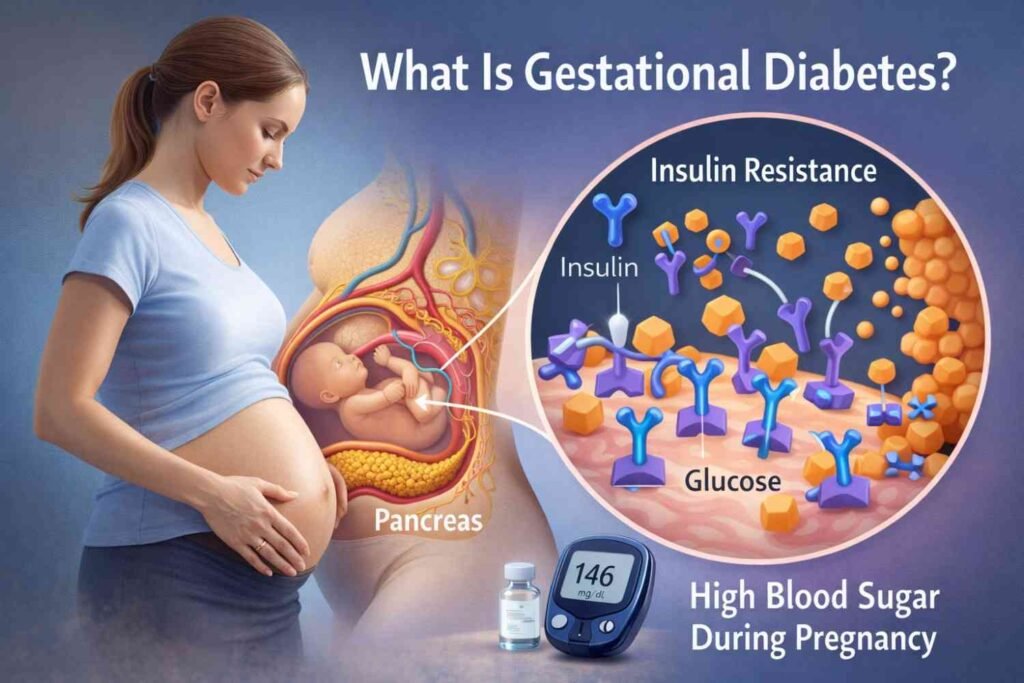
Gestational diabetes mellitus (GDM) is a condition where high blood sugar levels are experienced during pregnancy as a result of hormonal influences on insulin function in the body. This condition often occurs in the second or third trimester of pregnancy and may resolve after delivery.
While many women can control their symptoms with diet and exercise, some women need insulin therapy in order to maintain a healthy level of blood sugar.
Why Insulin May Be Needed During Pregnancy
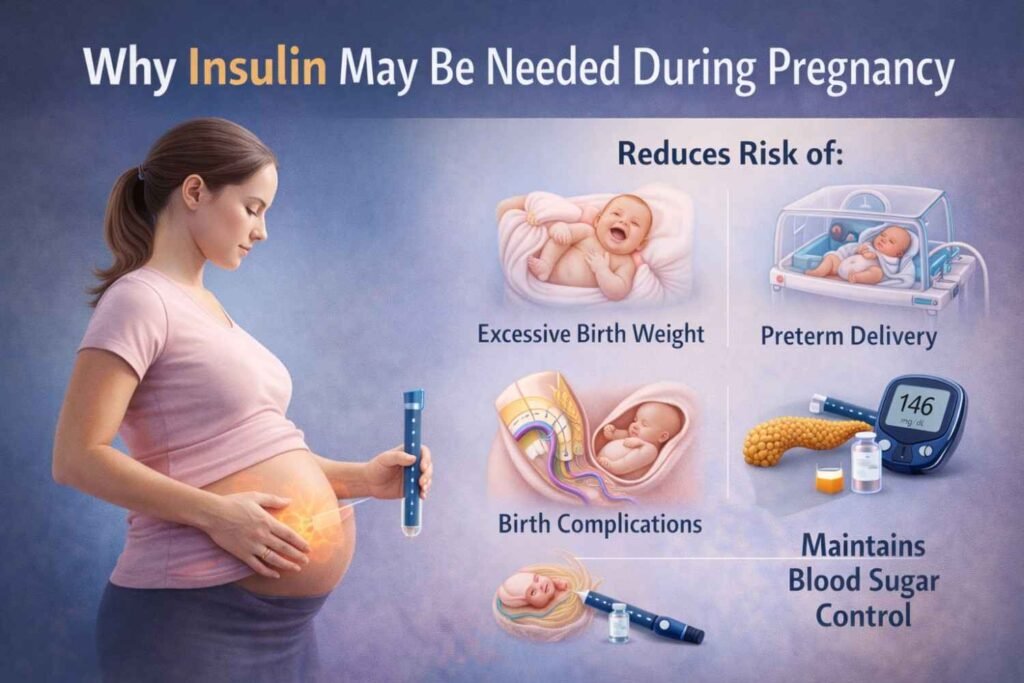
If lifestyle modifications are not sufficient, the use of insulin can be considered to prevent complications from developing, including:
- Excessive birth weight
- Preterm labor
- Birth complications
- Higher risk of type 2 diabetes in later life
From a medical point of view, insulin is safe and effective in pregnancy. Emotions and practicalities can influence the ease with which patients accept and take insulin.
Insulin Anxiety: A Major Emotional Barrier
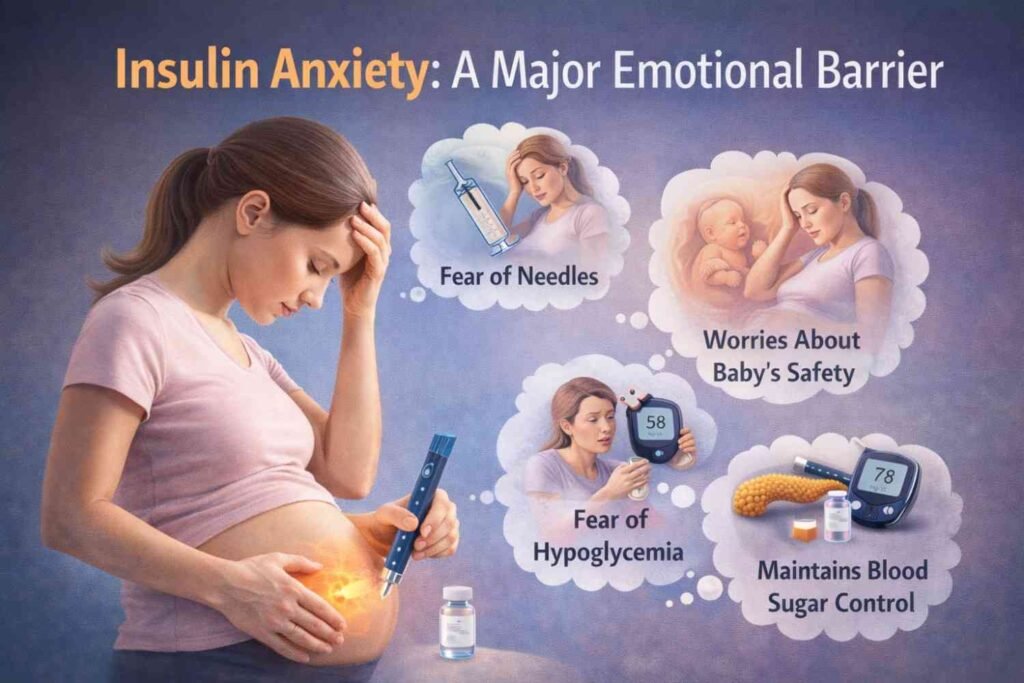
Fear of Injections
Fear of insulin injections is one of the most frequent problems faced by women with gestational diabetes. This fear can be due to:
- Needle phobia
- Concerns about pain
- Concerns about correctly using injections
Anxiety can also interfere with the treatment process even when insulin is required.
Concerns About the Baby’s Safety
In some cases, pregnant women may fear that the use of insulin could affect their baby adversely, although there is medical evidence that it is safe to use. This fear is often associated with a lack of information about the use of insulin during pregnancy.
Emotional Stress and Guilt
It can be overwhelming to manage gestational diabetes. Women often experience feelings of guilt, stress, or self-blame, especially when insulin therapy is needed. Such emotional challenges may influence mental health and self-confidence.
Barriers in the Workplace for the Management of Gestational Diabetes
Time, Privacy, and the Job
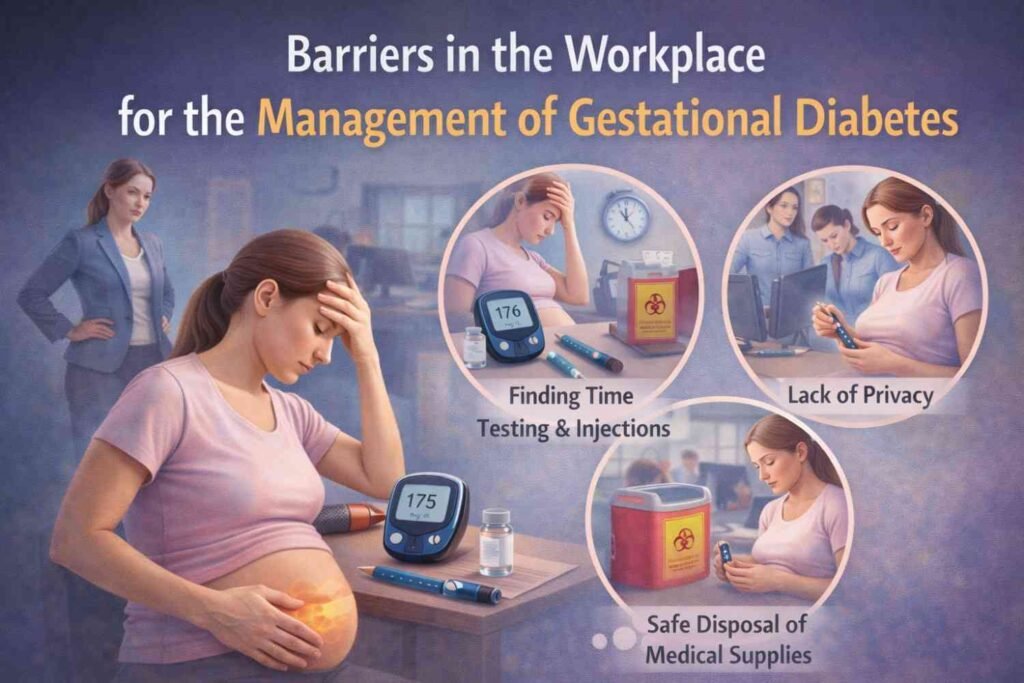
For pregnant women dealing with work and gestational diabetes, it can be a challenge to stay on top of care throughout the day. Barriers to care that commonly appear include:
- Insufficient private area for blood sugar testing or insulin administration
- Schedules that do not conform to the demands of regular monitoring
- Problems stepping away for meals or medical needs
These factors have a tendency of increasing stress and making self-management even more difficult.
Work-Related Stress and Pregnancy
High-pressure situations can cause an increase in stress hormones, making it more difficult to regulate blood sugar. When you consider the demands of pregnancy, it is an added burden to women who are trying to maintain a strict regimen in order to control diabetes.
Gaps in Awareness and Support
In some work environments, the management and coworkers may not understand gestational diabetes or what is involved in the condition. This lack of understanding may cause employees to be reluctant to ask for a reasonable accommodation even if it is medically necessary.
The Role of Education and Support

Healthcare Providers’ Guidance
Having open and understanding discussions with medical professionals can help alleviate insulin anxiety. If patients can understand the following, they may be able to
- why insulin is needed
- how it helps
- how to use it safely
They are more likely to feel confident and in control.
Support from Family and Community Members
Having the support of partners, family, and friends may help improve emotional well-being. Having someone to turn to for encouragement and help with responsibilities may make everyday tasks easier to handle.
Motivation to Protect the Baby
The motivation to Many women find their baby’s health is a strong motivator for them. This can help with fears and working with treatment plans.
Why Overcoming These Barriers is Important

The
By overlooking the challenges in emotional and work environments, the following can occur:
- poorer blood sugar control
- increased pregnancy complications
- increased stress and anxiety
- reduced quality of life during pregnancy
By being aware of these problems, healthcare systems and employers can assist in improving the outcomes for both the mother and the baby.
Moving Toward Better Gestational Diabetes Care

To better manage gestational diabetes, more than just prescriptions are required. A caring approach involves:
- Patient-centered education
- Emotional Reass
- Workplace flexibility
- Open communication between patients and healthcare providers
Overcoming insulin anxiety and work-related issues can contribute to a more caring and competent care experience.
Frequently Asked Questions (FAQs)
What is gestational diabetes?
Gestational diabetes refers to a situation where the blood sugar levels become high during pregnancy as a result of hormonal changes that affect the functioning of insulin.
Is insulin safe during pregnancy?
Yes. Insulin has been widely used during pregnancy and has been found to be safe when used as directed by healthcare professionals.
Why do some women feel anxious about insulin?
Anxiety may be caused by fear of needles, fear of harming the baby, lack of information, or emotional stress of managing a medical condition during pregnancy.
Can work-related stress influence gestational diabetes?
Yes. Stress and a lack of flexibility in the workplace may make it more difficult to monitor blood sugar levels.
What are the factors that help women cope with gestational diabetes?
Education, emotional support, understanding of the workplace, and regular communication with healthcare providers are all factors that contribute to better management and reduced stress.
Disclaimer
This article is for information purposes only and should not be considered a substitute for professional medical advice. Pregnant women with gestational diabetes should always seek advice from qualified medical professionals.
Read Our Previous Article: Married at First Sight Australia 2026 Cast
