


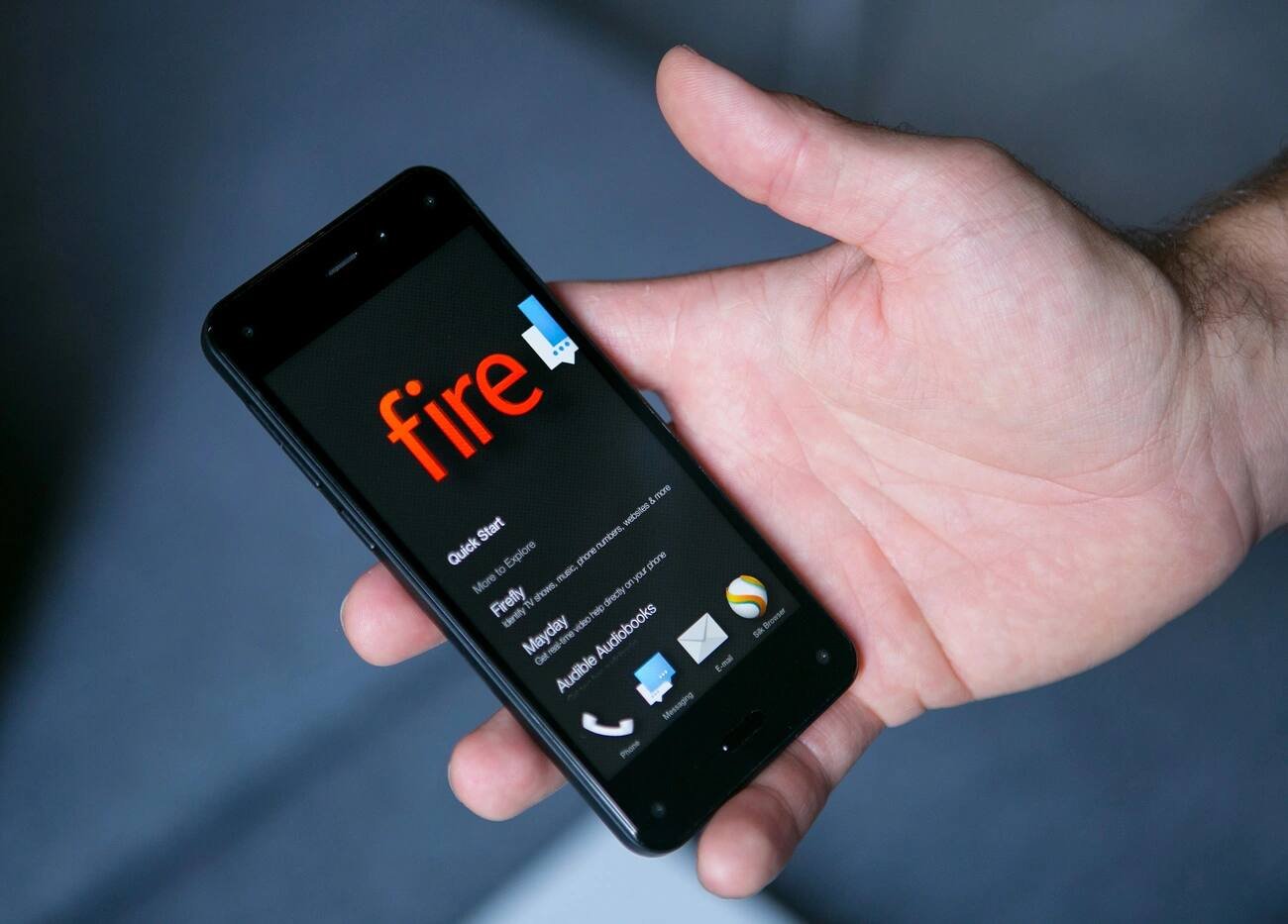
Amazon Fire Phone: Over a decade after the Amazon Fire Phone flopped in the market, Amazon may be returning to the smartphone business with a new approach. The tech giant is reportedly developing a device internally called “Transformer,” which focuses heavily on its Alexa voice assistant as the primary selling point. The device is designed to connect to Alexa Plus, a voice assistant that uses an LLM and is normally associated with smart home devices and smart TVs. Given that Amazon faces rising competition from ChatGPT and Google Gemini, this move aims to strengthen its position in the AI assistant space. This article explores in detail the amazon fire phone failure, examines why did amazon fire phone fail, analyzes what happened to the amazon fire phone, and evaluates whether Amazon’s new strategy can succeed.
Amazon’s New Alexa Phone: What We Know About ‘Transformer’
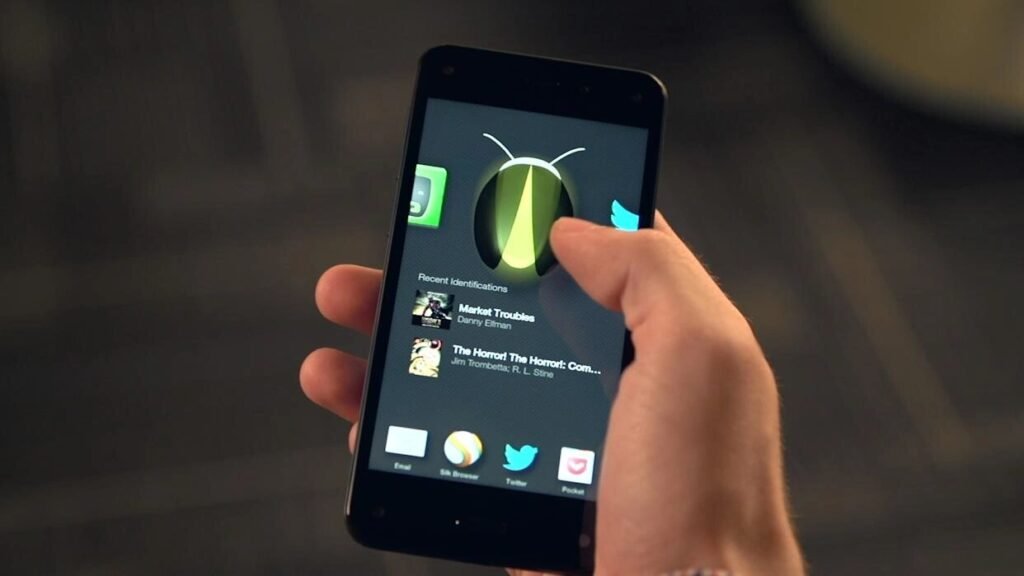
Image Source: Yahoo Tech
The development effort is being handled by Amazon’s ZeroOne group, a year-old unit tasked with creating breakthrough gadgets. J Allard, a former Microsoft executive known for his work on Xbox and Zune, leads the team under the oversight of Panos Panay in Amazon’s devices unit. According to sources familiar with the matter, Alexa functionality would remain a core component of the experience, whereas the voice assistant would not necessarily serve as the primary operating system driving the phone.
The project centers on integrating artificial intelligence capabilities that could eliminate reliance on traditional app stores. Rather than prompting users to download and sign up for apps, the phone can use AI-driven interactions such as the mini apps available in ChatGPT. This approach would make purchasing products on Amazon and accessing services like Prime Music and Prime Video simpler for users throughout the day.
ZeroOne has explored multiple design directions, including both conventional smartphones and stripped-down dumbphone variants. The minimalist Light Phone, priced at USD 700.00 with basic features like a camera, map, and calendar but no app store or web browser, has served as inspiration. Amazon appears to be thinking of Transformer as a secondary device and not a direct competitor to Apple and Samsung flagships. Details on pricing, release date, and how much is at stake are not revealed, and sources say it is still possible for the project to be shelved if priorities change.
What Happened to Amazon Fire Phone and why it failed?
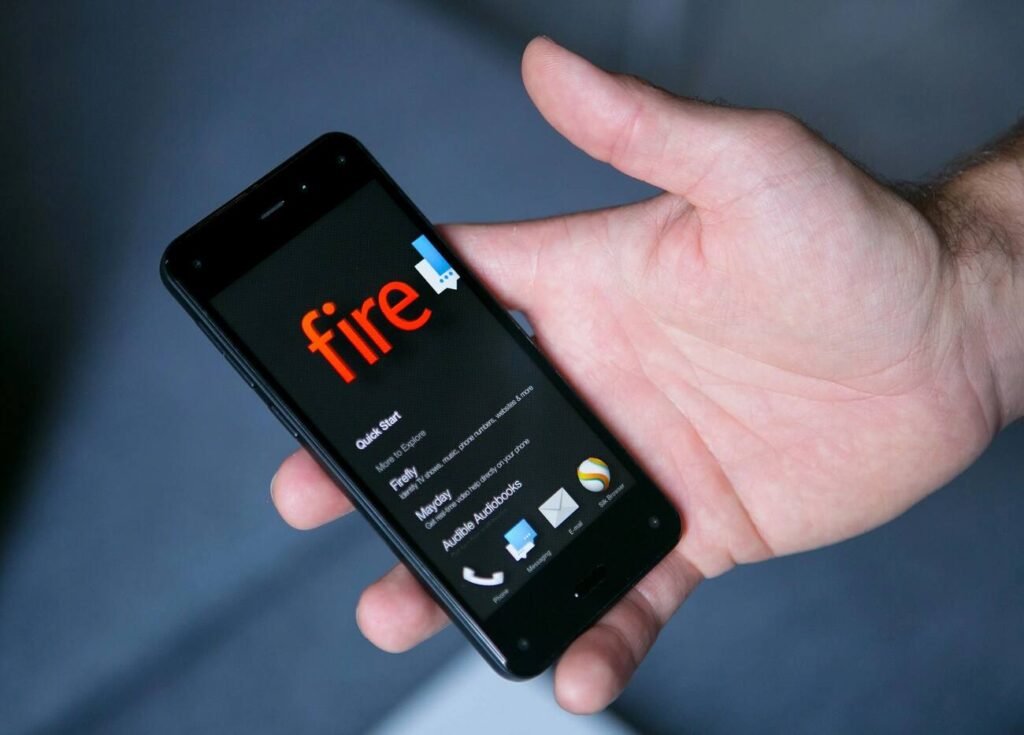
Image Source: TIME
Amazon announced the Fire Phone on June 18, 2014, and released it exclusively through AT&T on July 25 of that year. The device crashed spectacularly within months. Amazon reported a USD 170 million write-off in October 2014, which included USD 83 million in unsold Fire Phones sitting in warehouses worldwide. The write-off occurred during a quarter when Amazon recorded a USD 437 million net loss on over USD 20 billion in revenues.
The pricing strategy proved fatal. Amazon priced the 32GB Fire Phone at USD 199 with a two-year AT&T contract and USD 650 unlocked. Customers expected Amazon’s typical value pricing, not premium flagship costs. Within six weeks, the company slashed the contract price to USD 0.99 and dropped the unlocked version to USD 449. By August 2015, after further reductions to USD 130, Amazon discontinued the device entirely.
Fire OS created a major barrier. The dual Android system lacked the Google Play Store feature, and users could only access the Amazon Appstore with 240,000 available apps instead of the 1+ million available for Google Play. Critical applications like Gmail, Google Maps, YouTube, Dropbox, and Snapchat were unavailable. The Dynamic Perspective 3D feature and Firefly product-scanning tool felt gimmicky rather than useful. According to analysts, fewer than 35,000 units sold in the first month.
Will Amazon’s Dumb Phone Design Strategy Work This Time?
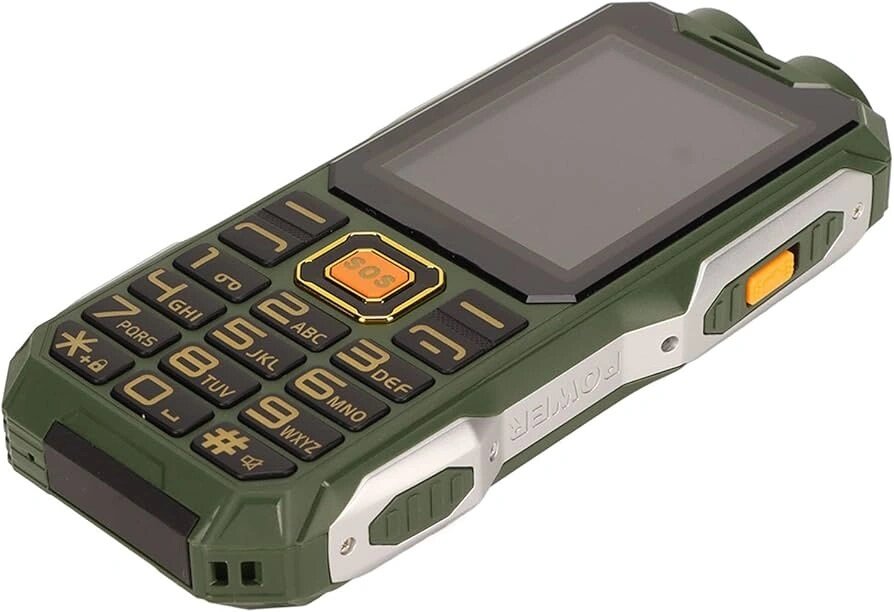
Image Source: Amazon.com
Amazon’s dumbphone strategy targets a growing niche. Feature phones and simple phones comprised 15% of total worldwide sales in 2025, according to Counterpoint Research. The company plans to make Transformer a secondary device, not replacing the current iPhone or Samsung Galaxy phones.
Scant data exists on dual phone ownership patterns, according to Chetan Sharma, an independent wireless analyst. The practice remains most common among white-collar workers seeking devices away from employer surveillance and parents purchasing phones for teenagers to limit social media access. This demographic could provide Amazon with a distinct market segment compared to the amazon fire phone failure, which attempted direct competition with flagship smartphones.
The project faces considerable uncertainty. Amazon has not approached wireless carrier partners for the device. Sources familiar with the development cautioned the timeline remains unclear and the effort could face cancelation due to strategic shifts or financial concerns.
The dumbphone approach addresses several amazon fire phone failure reasons. Besides avoiding premium pricing battles with established manufacturers, the secondary device positioning sidesteps the app ecosystem problem that plagued Fire OS. This plan is based on whether people really want AI-based minimalist phones or if the market is too small for Amazon to invest in it.
Conclusion
Amazon is going back into the smartphone business using lessons learned from its failed Fire Phone. The Transformer project is using a different strategy. It is designed as a secondary AI-based device and not as a flagship device. The no-frills phone project helps Amazon avoid past mistakes in pricing and app ecosystem. Success depends on whether consumers embrace minimalist phones and whether Amazon commits financially to the uncertain venture. At any rate, the project’s fate remains unclear as development continues within the ZeroOne division.
FAQs
Q1. Why did Amazon Fire Phone fail?
Amazon Fire Phone failed for a variety of reasons. Firstly, it was overpriced, priced at 199 USD with a contract and 650 USD unlocked. Secondly, it had a limited app store offering only 240,000 apps compared to over 1 million apps on Google Play. Thirdly, it lacked popular apps such as Gmail and Google Maps. Lastly, it had “flashy” features such as Dynamic Perspective that did not offer value.
Q2. When was Amazon Fire Phone released and discontinued?
Amazon Fire Phone was announced on June 18, 2014. It was released on July 25, 2014, exclusively through AT&T. Amazon discontinued it in August 2015 after it failed to sell.
Q3. What is Amazon’s new “Transformer” phone project?
Amazon is developing a new smartphone project known as “Transformer” in partnership with the ZeroOne group. This phone is Alexa Plus and artificial intelligence-based. Amazon is seeking to develop a phone that does not rely on app stores. Instead, it is developing a phone that uses artificial intelligence interactions such as ChatGPT mini apps.
Q4. What is Fire OS and why is it a problem?
Fire OS is Amazon’s version of Android. Amazon Fire OS does not offer access to the Google Play Store. This makes it difficult for consumers to access apps such as Gmail, Google Maps, YouTube, Dropbox, Snapchat, and so on. This makes it difficult for consumers to buy the phone.
Q5. Will Amazon’s minimalist phone strategy be a success compared to Amazon Fire Phone?
Amazon is seeking to develop a minimalist phone. This is in response to the increasing popularity of feature phones. In 2025, 15 percent of phone sales worldwide are feature phones. Amazon is developing a phone that is a second phone and not a flagship phone.
Read My Website Recent News Article: Australian Tax Reform
