


By Orbit News Hub | April 28, 2026
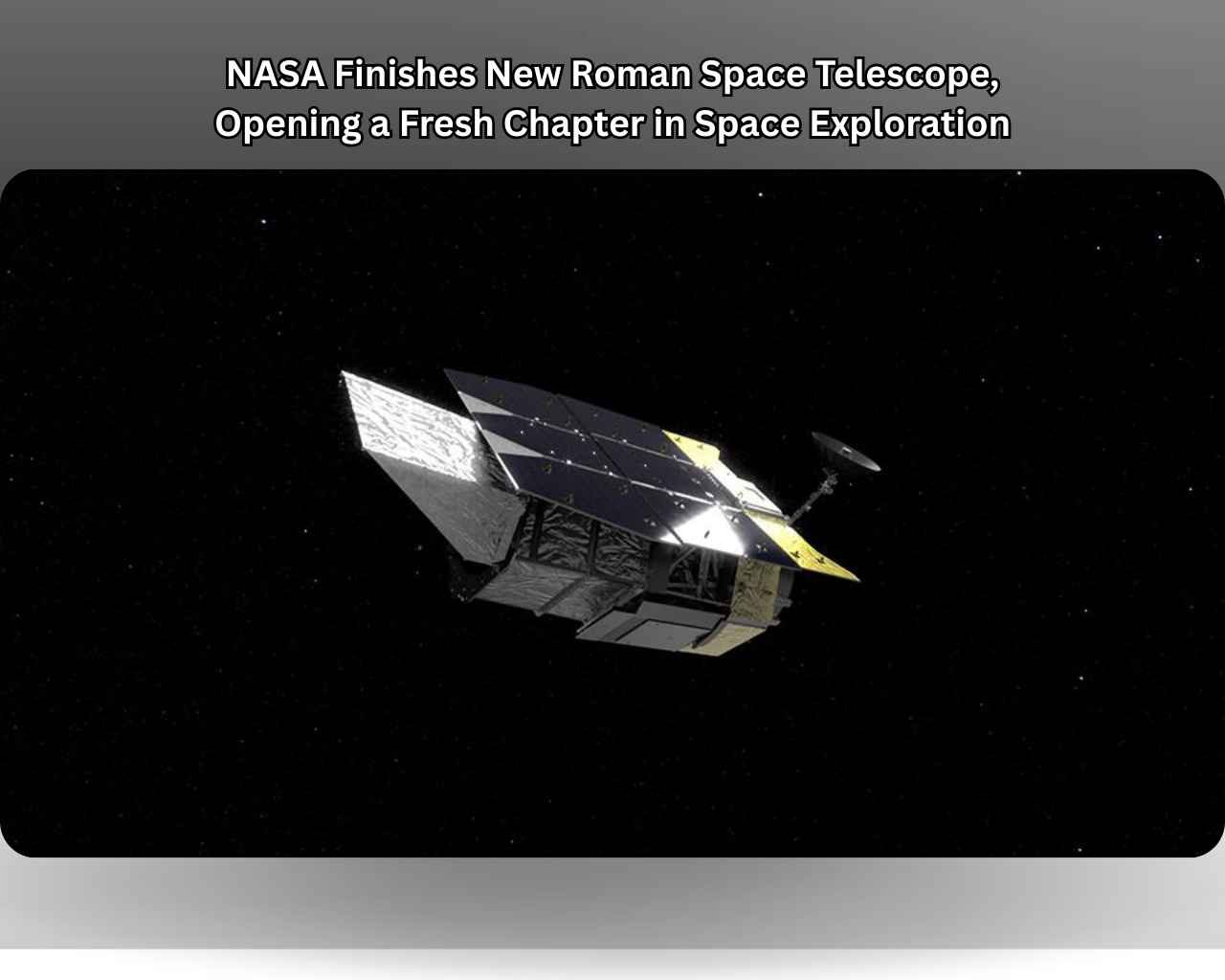
The NASA Space Telescope has finally been assembled by the agency, heralding another important advance into the science of outer space before its planned launching later in 2026. This advanced telescope will allow researchers to study dark energy, galaxy mapping, and also discover thousands more planets outside our solar system.
A Quiet Milestone With Big Implications
NASA has quietly reached a major milestone that could reshape how scientists understand the universe.
The agency confirmed this week that its long-awaited Nancy Grace Roman Space Telescope has now been fully assembled. While it hasn’t grabbed headlines like some previous missions, researchers say its impact could be just as significant—if not more.
The telescope is expected to launch later this year, and once in space, it will begin a mission focused on some of the biggest unanswered questions in astronomy.
Why Scientists Are Paying Attention
At first glance, Roman might sound like just another space telescope. But scientists see it differently.
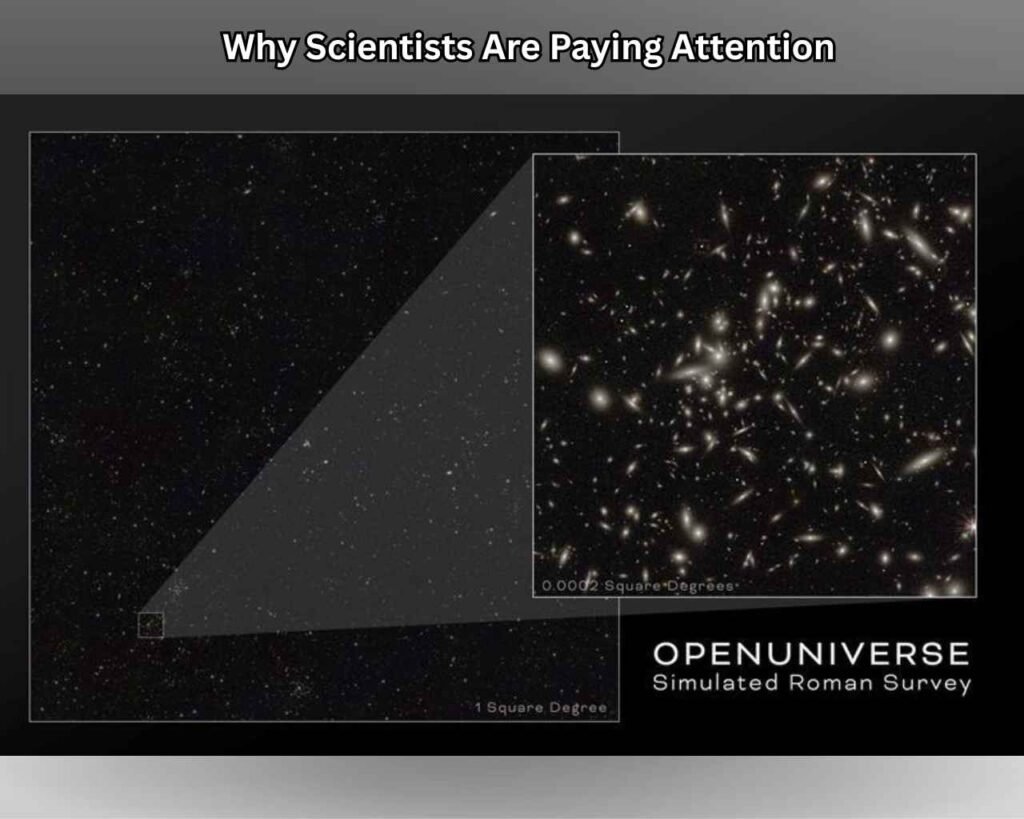
Instead of zooming in on small sections of space like Hubble or the James Webb Space Telescope, Roman is built to do something else—scan huge areas of the sky quickly and in detail.
That capability matters. A lot.
By covering more space in less time, researchers hope to track patterns across millions—possibly billions—of galaxies. That data could help explain how the universe is expanding and what role mysterious forces like dark energy are playing.
A Different Kind of Space Tool
Not a Replacement—A Complement
NASA isn’t replacing its existing telescopes. Roman is meant to work alongside them.
- Hubble still delivers sharp, detailed images
- James Webb looks deeper into the early universe
- Roman will focus on the bigger picture
Think of it less like a successor and more like a wide-angle lens added to an already powerful toolkit.
Searching for New Planets
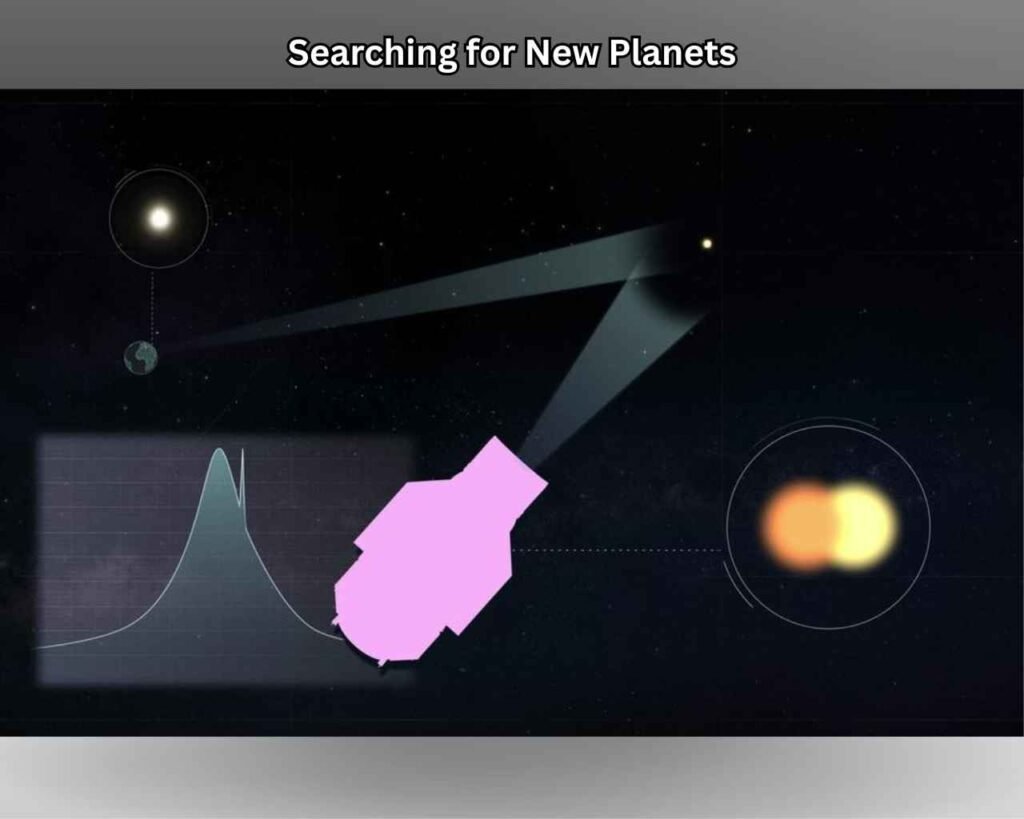
Another key part of the mission is the hunt for planets beyond our solar system.
Scientists believe Roman could identify thousands of new exoplanets, including some that may be similar in size to Earth. It won’t directly confirm life—but it will help narrow down where to look next.
That alone could shape space research for years.
Built Over Years, Ready for Launch
The telescope was assembled at NASA’s Goddard Space Flight Center after years of development, testing, and delays.
According to reports from Space.com and official NASA updates, the project is now moving into its final testing phase. If everything stays on track, Roman will be launched aboard a SpaceX Falcon Heavy rocket later in 2026.
Once in orbit, it will operate from a stable region of space known as L2, about a million miles from Earth.
Why This Moment Matters
It’s easy to overlook announcements like this. There’s no dramatic countdown yet, no launch footage, no viral images.
But historically, missions like this are where major discoveries begin.
Hubble wasn’t instantly revolutionary. Neither was Webb.
Roman may follow the same path—starting quietly, then gradually changing how we see the universe.
Looking Ahead
Over the next few months, engineers will run final checks before the telescope is shipped for launch preparation.
If successful, the mission could run for years, delivering massive amounts of data back to Earth—and possibly answering questions scientists have been asking for decades.
Or, just as likely, it could raise entirely new ones.
Sources
Disclaimer
This article is published by Orbit News Hub for informational purposes. The information is based on publicly available reports and official releases at the time of writing. Some details might be updated while the project moves forward.
Frequently Asked Questions
What is the Roman Space Telescope?
A space observatory launched by NASA which aims to understand the Universe structure and detect new planets.
When will it launch?
NASA is targeting a launch window in late 2026.
What makes it different from other telescopes?
Roman can scan large areas of space much faster than previous telescopes.
Does it search for any signs of life on other planets?
No, but it can detect new planets that can accommodate life forms.
Where does it operate?
Roman operates from Lagrange Point 2 (L2).
Read My Website Recent News Article: Big Tech Is Cutting Jobs — But Hiring AI Instead
