


By Orbit News Hub | April 25, 2026
For years, the tech industry sold a simple promise: grow fast, hire more, and build the future along the way. In 2026, that formula is being quietly rewritten.
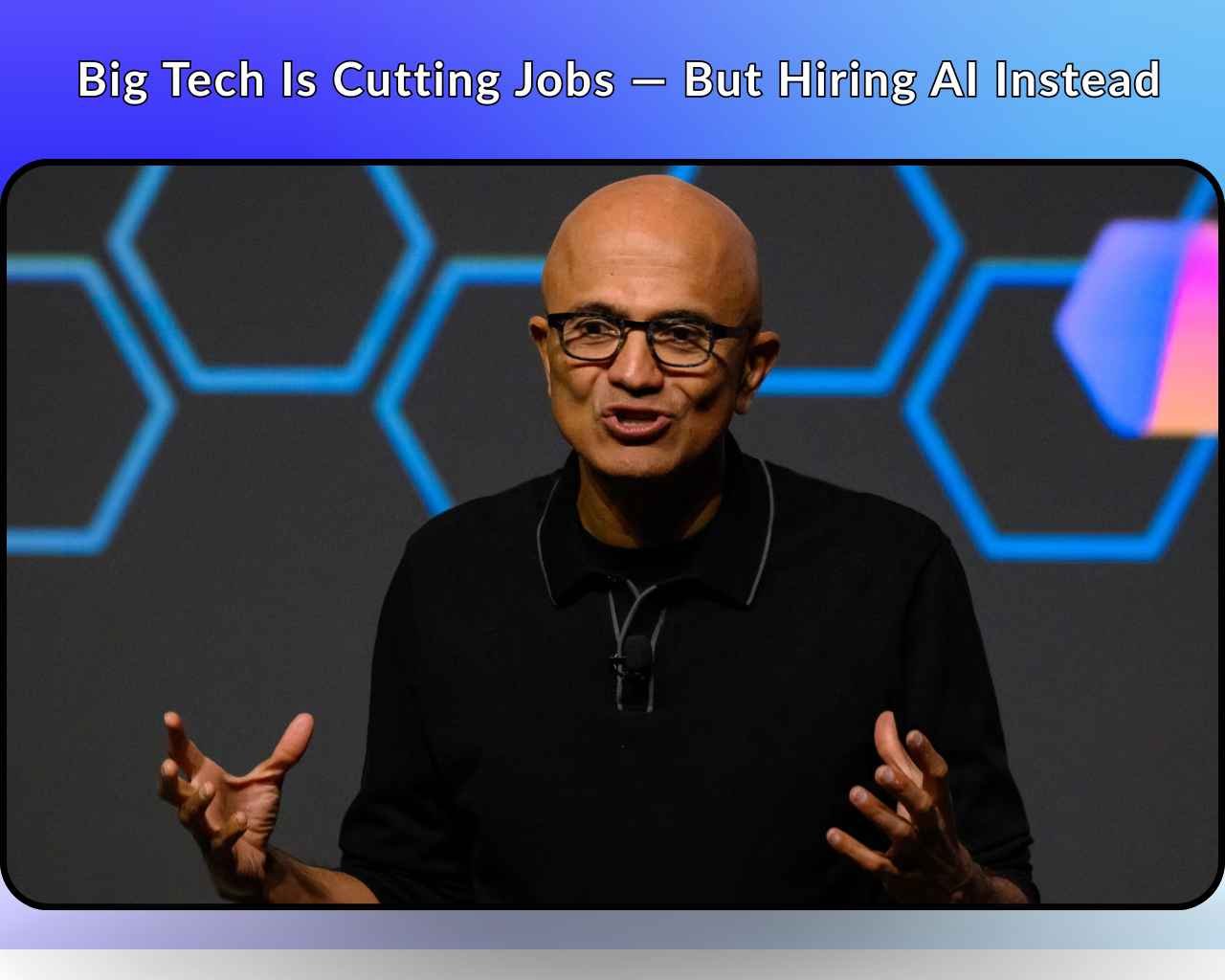
Over the past week, a string of announcements from companies like Microsoft and Meta has made one thing clear — the industry isn’t shrinking, but the way it operates is changing fast. Thousands of jobs are being cut, even as spending hits record highs.
At the center of it all is artificial intelligence.
A Different Kind of Cost-Cutting
The layoffs aren’t happening because tech companies are struggling. In fact, many of them are still generating strong revenue. What’s changing is where the money goes.
Meta is trimming roughly a tenth of its workforce. Microsoft is also reducing staff, particularly in higher-cost roles. Elsewhere, Amazon and Oracle have continued smaller rounds of cuts that have become almost routine over the past year.
This doesn’t look like the panic-driven layoffs seen in previous downturns. It feels more deliberate — almost calculated.
Companies are not simply trying to save money. They’re moving it.
The AI Shift Is Expensive — and Relentless
Behind the layoffs is a massive wave of investment that’s easy to miss if you only look at job numbers.
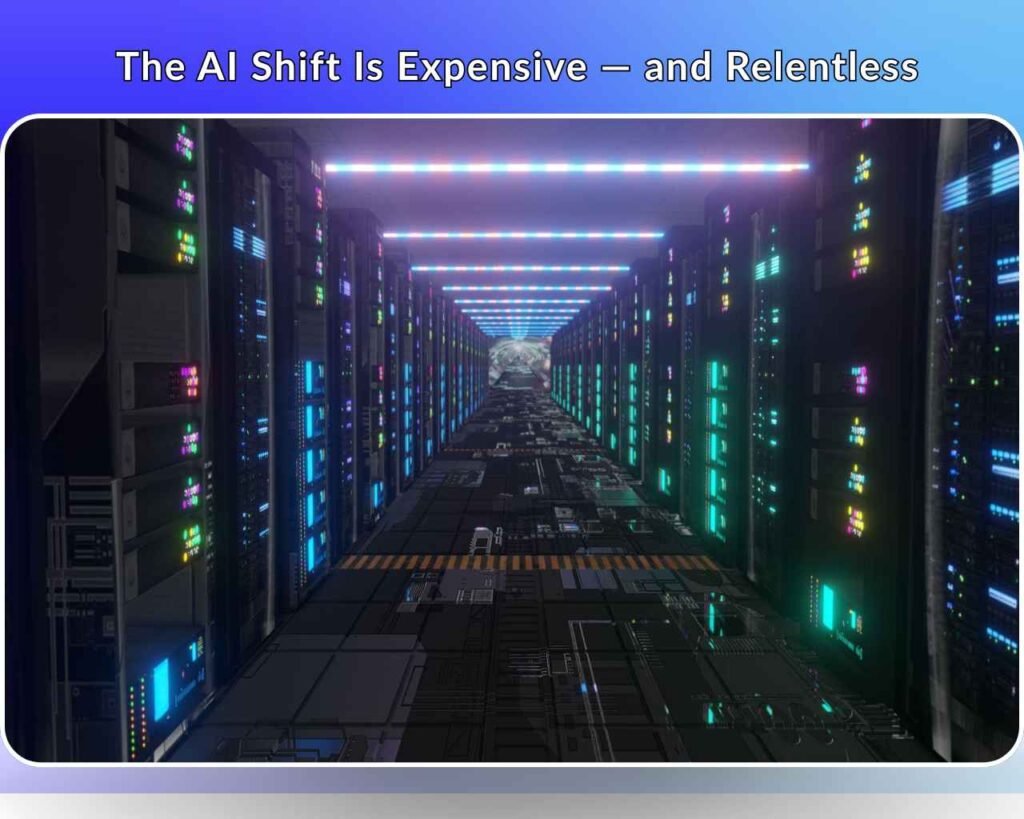
Building AI systems at scale is incredibly expensive. It requires data centers, advanced chips, and enormous amounts of electricity. And right now, the biggest tech firms are racing each other to build that infrastructure faster than anyone else.
Meta alone is expected to spend well over $100 billion this year on AI-related projects. Microsoft is in a similar range, continuing to expand its cloud and AI capabilities.
That kind of spending forces trade-offs.
And in many cases, payroll is the easiest place to make them.
What’s Actually Changing Inside Companies
The shift isn’t just financial — it’s structural.
Tasks that once required teams of engineers or analysts are increasingly being handled, or at least assisted, by AI systems. Coding, customer support, internal reporting — all of it is being streamlined.
That doesn’t mean humans are disappearing from the workplace. But it does mean fewer people are needed to do the same work.
Inside companies, the change is already visible:
- Smaller teams handling larger workloads
- Greater reliance on automation tools
- More hiring in AI-related roles, even as other departments shrink
It’s less about losing jobs entirely and more about which jobs still matter.
Markets Are Watching Closely

Investors, for now, seem cautiously optimistic.
On one hand, cutting costs while investing in future technology is usually seen as a smart move. On the other, the scale of spending — especially on AI — is raising questions about how long it will take to pay off.
There are other pressures too. Oil prices have been climbing again, and broader economic uncertainty hasn’t disappeared. All of this is happening at the same time, making the outlook harder to read.
Still, one thing is clear: companies that convince investors they’re leading in AI are being rewarded.
For Workers, It’s a Moment of Reset
For employees, though, the story feels very different.
The old path — get a stable role at a big tech company and grow with it — is no longer as predictable as it once was. The sought-after skills a few years ago are being replaced or modified.
In their place, there will emerge a much more fluid labor market where flexibility becomes as important as experience.
Individuals familiar with AI and its potential applications become more valuable. Those who don’t may find themselves needing to pivot quickly.
A Shift, Not a Collapse
It’s tempting to see the layoffs and assume something is going wrong in tech. But that’s not quite accurate.
The industry isn’t pulling back. If anything, it’s doubling down — just in a different direction.
What we’re seeing is a transition. A messy one, at times. But also one that could reshape how businesses operate for the next decade.
The hiring boom of the past has slowed. In its place, a new kind of growth is taking shape — quieter, more automated, and heavily driven by machines.
Conclusion
The headlines may focus on job cuts, but the bigger story is where the investment is going.
Artificial intelligence is no longer an experiment or a side project. It’s becoming the foundation of how major companies plan to compete — and win.
That shift comes with consequences. Decreasing typical employment, increasing technicalization, and widening gap between the companies that adapt quickly and those that are slow to adapt.
At least for the moment, the shift is far from over. One thing is already clear, however: The technology industry which comes out of this period will hardly resemble the one known up to now.
Sources
- The Guardian — April 2026 (Tech layoffs and AI investment trends)
- Business Insider — April 2026 (Ongoing layoffs across major companies)
- Reuters — April 2026 (Market and economic context)
Disclaimer: This article relies on information available in public sources and company press releases as of April 2026. Any opinions stated here serve purely informative purposes and should not be treated as professional advice.
FAQs
Are these layoffs a signal of tech industry crisis?
It may look like one. However, all companies affected have good financial standing and are undergoing restructuring rather than collapse.
Why does AI lead to layoffs?
It makes possible to carry out more functions with fewer employees, particularly in repetitive and technical positions.
Does hiring freeze occur in tech?
No, it does not happen; on the contrary, hiring continues at full speed focusing on AI and other technologies.
Which companies initiate this trend?
Microsoft, Meta, Amazon, Oracle are among the main leaders.
How can workers respond?
They need to acquire skills that enhance the use of AI rather than replace it.
Read My website Recent News Article: Suzie Bates Sets Retirement Date
