


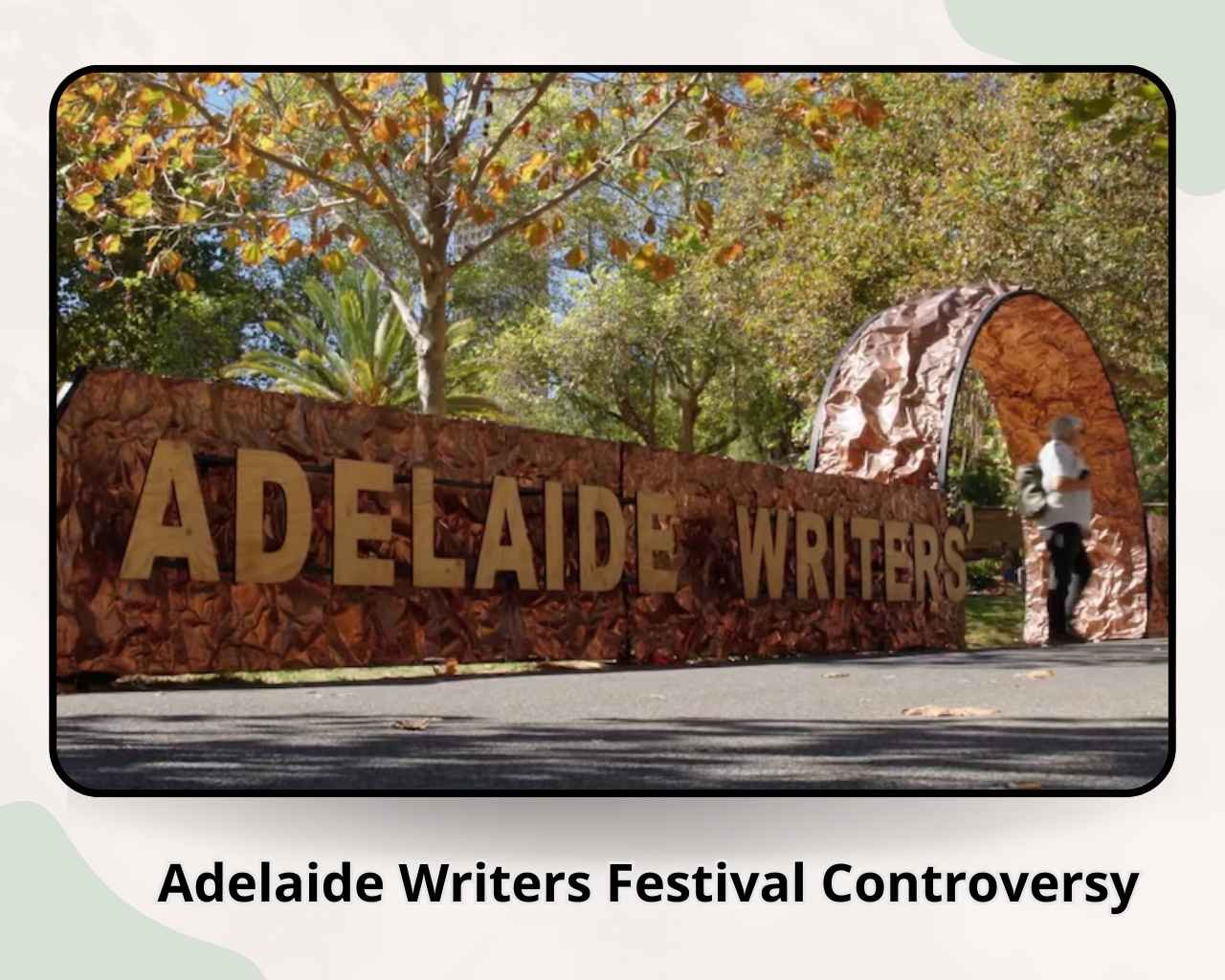
A writers festival controversy rarely results in complete institutional collapse, yet that is precisely what happened to Adelaide Writers’ Week. The disinvitation of Palestinian-Australian author Randa Abdel-Fattah triggered a boycott by approximately 200 writers, followed by the resignation of director Louise Adler and the entire board. However, the same author’s appearance at Newcastle Writers Festival told a remarkably different story. Rosemarie Milsom, the director who secured Abdel-Fattah five months prior, managed the expected pushback and political pressure and recorded record-breaking attendance with a 27% increase over the previous year. These opposing experiences pose a significant issue regarding arts governance, curatorial freedom, and the capacity for festivals to withstand criticism and thrive or crumble under its weight.
Milsom Appointed to Lead Adelaide Writers Festival After Historic Collapse
Background of the Adelaide Writers Festival Controversy
In January 2026, the Adelaide Festival board overrode literary festival director Louise Adler and disinvited Randa Abdel-Fattah over past comments she had made about Israel and Zionism. The board cited concerns about “cultural sensitivity” following the December Bondi Beach terror attack, stating it would not be appropriate to program Abdel-Fattah “at this unprecedented time so soon after Bondi”. South Australian Premier Peter Malinauskas admitted he began lobbying for Abdel-Fattah’s removal around Christmas, penning a letter to the board on January 2 advocating his position. The premier later stated his opinion was sought by the board and he was “more than happy to offer my opinion and make it clear and strongly known”.
How Disinvitation of Palestinian-Australian Author Triggered Mass Boycott
The board’s decision resulted in immediate backlash rather than the quieter festival members may have hoped for. Within three days, approximately 180 writers withdrew from the program. High-profile participants included former New Zealand Prime Minister Jacinda Ardern, British novelist Zadie Smith, Pulitzer Prize winner Percival Everett, and Australian writers Helen Garner, Trent Dalton, and Melissa Lucashenko. The progressive thinktank Australia Institute abruptly withdrew its partnership and sponsorship. Consequently, the Adelaide Festival removed the entire program from its website on January 9.
The Board Resignations That Nearly Ended the Festival
Board members Daniela Ritorto, Donny Walford, and Nicholas Linke resigned at an extraordinary meeting on January 11. Board chair Tracey Whiting followed the next day, stating only that “recent decisions were bound by certain undertakings”. Adler resigned on January 13, writing she could not “be party to silencing writers”. Hours later, the board announced the festival could no longer proceed and apologized to Abdel-Fattah for how the decision “was represented”. On Friday, Adelaide Writers’ Week announced Milsom as the new director. She accepted the position only after confirming the new board had “true independence and policies in place,” stating she would not have applied if the previous board had remained.
How Newcastle Writers Festival Handled the Same Author Without Imploding
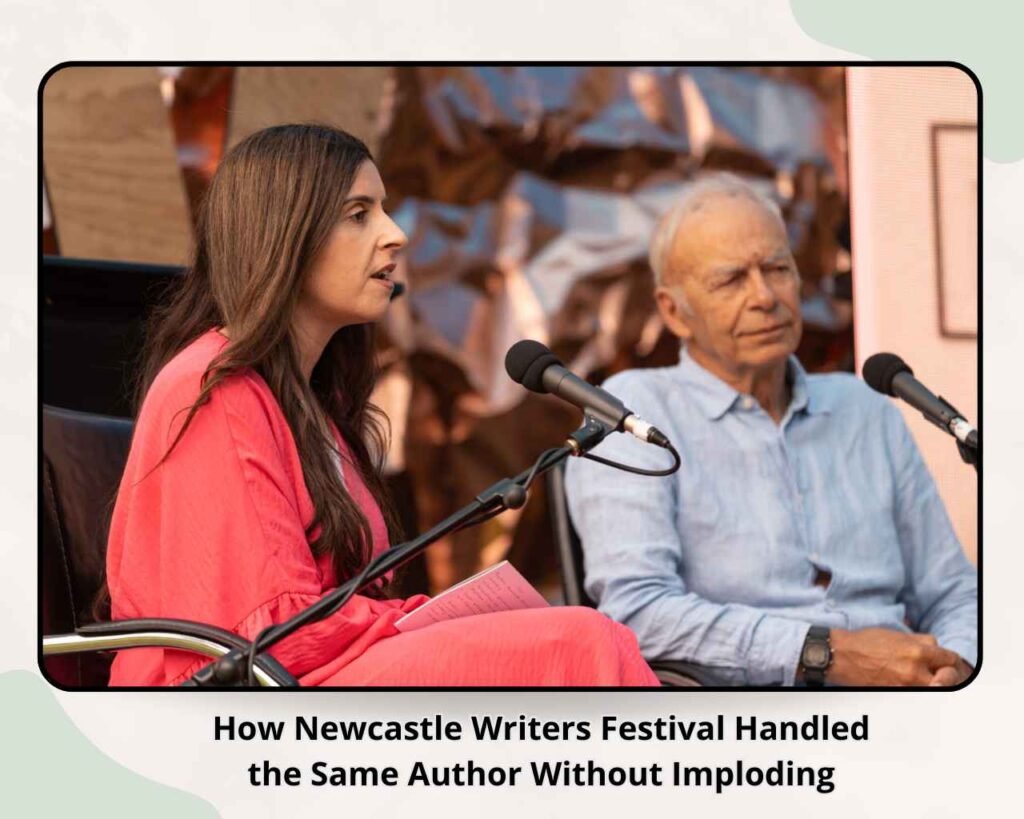
Milsom’s Preparation for Predicted Controversy
Rosemarie Milsom invited Abdel-Fattah in August 2024 after reading her novel Discipline, months before Adelaide’s implosion. The book centered on a Muslim journalist and academic, touching on contemporary issues in western Sydney. Prior to this decision, Milsom had already weathered a similar storm. In 2024, she faced significant pressure to remove authors Deborah Conway and Clementine Ford from the program over their views on the Gaza conflict. The festival proceeded with both writers, without incident.
Milsom’s position as founding director gave her a seat on the board, a situation she acknowledged as unique among Australian arts organizations. This structural advantage proved critical when external pressure mounted. “You look at what you stand for, you go back to your strategic plan, you look at the values of your organization and why you exist, and you hold firm to that,” she said.
Standing Firm Against Political Pressure from NSW Premier
NSW Premier Chris Minns publicly called Newcastle’s decision to program Abdel-Fattah “crazy” given how divisive her track record was. He described the invitation as a “real head scratcher”. Liberal MLC Aileen MacDonald questioned whether the festival’s $250,000 state grant was appropriate if Abdel-Fattah appeared.
Consequently, Minns stated he would not withdraw funding, claiming a review would “just feed the interest of the author”. Arts Minister John Graham took a stronger stance against intervention. “I’m not a big fan of cancel culture – of canceling artists or festivals,” Graham said. He noted that canceling writers “backfires pretty rapidly”.
Record Attendance Despite Media Storm
Two Saturday sessions featuring Abdel-Fattah sold out. The program proceeded without incident despite the media attention.
Direct Communication Strategy That Prevented Writer Exodus
Milsom credited extensive consultation and behind-the-scenes support from writers for preventing the collapse that befell Adelaide. She maintained direct communication about the festival’s core values. “An invitation to appear in a writers’ festival program is not an endorsement of a writer’s personal views,” Milsom stated. Sessions were carefully moderated, with thought given to panel composition. Security remained present but unobtrusive, with plain-clothed officers attending events.
Why Arts Organizations Keep Making the Same Curatorial Mistakes
The Pressure to Appease vs. Maintaining Independence
The Adelaide Writers’ Week collapse follows a pattern affecting Australian arts organizations with increasing frequency. Corporate boards lacking arts management expertise now oversee institutions they fundamentally misunderstand, with fewer than 10% of board members possessing direct arts management experience. Banking executives, lawyers, and corporate consultants apply business logic to cultural work, treating artistic risk as corporate liability.
Private philanthropy compounds this problem. Major donors no longer simply write checks but expect influence over programming decisions that might embarrass them at social gatherings. This influence operates through subtle mechanisms: a raised eyebrow at board meetings, concerned phone calls about upcoming programming, implicit threats that support might be withdrawn if institutions become “too political”.
Learnings from Creative Australia and Melbourne Symphony Orchestra Failures
Creative Australia’s decision to withdraw from the Venice Biennale exemplifies the collapse of artistic freedom in the face of politics. The initial selection of artist Khaled Sabsabi resulted in his withdrawal following just one parliamentary inquiry. It was a clear statement that artistic freedom is nothing more than the ability to create without raising too much controversy.
The similar incident with the Melbourne Symphony Orchestra, where the political commentaries of pianist Jayson Gillham caused the Managing Director’s resignation, following the musician’s vote against senior management, led to an external review and ongoing legal action between Gillham and the MSO.
Consequences When Weak Governance Results in Festival Collapse
The resignation of Sydney Writers’ Festival chair Kathy Shand due to “politically sensitive discussions” surrounding “a safe and inclusive space” highlights the consequences of weak governance and censorship. In this case, resigning from the board sends an unequivocal message to the institution regarding limits and boundaries of discussion.
In those conditions, according to arts organizations surveyed, social or political issues became 15% of the organizations’ biggest challenges. Instead of being leaders of the conversation, institutions fall into its followership by closing down any potentially problematic discussion at an early stage.
What Should Change for Adelaide Writers Festival to Flourish
Reaching Independence and Developing Effective Policies
The recently formed board, headed by Judy Potter, needs immediate evidence of its independence. As Adler pointed out, the previous Adelaide Writers Festival did not have any arts practitioners on its board after Stephen Page and Alison Beare quit in 2024. Moreover, Adelaide Festival Corporation Act allows government ministers to appoint the majority of board members, which directly contributes to their subservience and inability to make independent decisions regarding festival curation.
Re-inviting Abdel-Fattah as Gesture of Institutional Apology
Potter’s board announced it would reinstate Abdel-Fattah for the 2027 Adelaide Writers’ Week. The board apologized to Adler for canceling the program she had worked to curate for 2026, acknowledging “the principled stand she took in the extremely difficult decision to resign”. However, the initial board apology to Abdel-Fattah only addressed “how the decision was represented” rather than the decision itself.
Navigating Relationship with South Australian Premier
Malinauskas confirmed he knew about Abdel-Fattah’s invitation since September and expressed opposition before receiving representations from Adelaide’s Jewish community.
Protecting Free Access to Arts Events
Premier Malinauskas claimed Adelaide Writers’ Week “generates zero revenue” as a free event. However, the 2026 cancellation saw tickets for appearances by Tina Brown, Christiane Amanpour, and Jacinda Ardern sell starting from $40.
Conclusion
While the choice of Milsom can be regarded as a way to mitigate damage, it is also evident that festivals survive scandals thanks to ethical governance, not politics. That said, the decision by the Adelaide board to return Abdel-Fattah to the event demonstrates the board’s experience, but certain changes are definitely necessary. It is crucial for arts organizations in Australia either to become independent or constantly collapse under pressure from outsiders.
FAQs
What were the reasons behind the collapse of Adelaide Writers’ Week in 2026?
The event was cancelled because of the board disinviting Palestinian-Australian writer Randa Abdel-Fattah due to her previous criticism of Israel and Zionism. The incident led to the withdrawal of nearly 200 writers, including celebrities such as Zadie Smith and former Prime Minister of New Zealand Jacinda Ardern, as well as the resignation of director Louise Adler and the whole board.
How did Newcastle Writers Festival overcome a scandal with the same author?
Director of Newcastle Writers Festival, Rosemarie Milsom, remained consistent in her stance on inviting Abdel-Fattah regardless of political pressure applied by the NSW Premier Chris Minns. Moreover, she engaged directly with authors regarding the festival’s values, ensured moderation, and stressed the point that inviting an author does not mean supporting their opinions. Newcastle recorded a record attendance of 27%.
Why was South Australian Premier Peter Malinauskas involved in the scandal?
Premier Malinauskas started his efforts to remove Abdel-Fattah as early as Christmas 2025, sending a letter to the board of Adelaide Festival on January 2. He stated his opinion was sought by the board and he was “more than happy to offer my opinion and make it clear and strongly known,” citing concerns about cultural sensitivity following the December Bondi Beach terror attack.
What changes are being made to prevent future Adelaide Writers’ Week controversies?
The newly constituted board under chair Judy Potter has committed to ensuring true board independence and clear policies. They announced they would reinstate Abdel-Fattah for the 2027 festival and apologized to former director Louise Adler for canceling the 2026 program she had curated.
Who is Rosemarie Milsom and why was she chosen to lead Adelaide Writers’ Week?
Rosemarie Milsom is the founding director of Newcastle Writers Festival who successfully navigated controversy when she included Abdel-Fattah in her program. She was appointed as the new director of Adelaide Writers’ Week after confirming the new board had “true independence and policies in place,” stating she would not have applied if the previous board had remained.
Sources and References:
- Press releases and apologies issued by the Adelaide Festival Corporation, Adelaide Writers’ Week.
- Publicly broadcasted statements and correspondences by South Australian Premier Peter Malinauskas, NSW Premier Chris Minns, and Arts Minister John Graham.
- Direct quotes and operational details provided by Newcastle Writers Festival Director Rosemarie Milsom and former Adelaide Director Louise Adler.
- Verified timelines and industry reporting covered by major Australian news syndicates, including ABC News Australia and The Guardian.
Disclosure: This article discusses in detail the latest happenings regarding Adelaide Writers’ Week and Newcastle Writers Festival. Any remarks that touch on arts administration, corporate governance, and institution autonomy are based on relevant discussions and public opinions in the industry. All timetables, facts, and quotes were obtained from official media coverage.
Read My Website Recent News Article: Apple’s Next Chapter
