


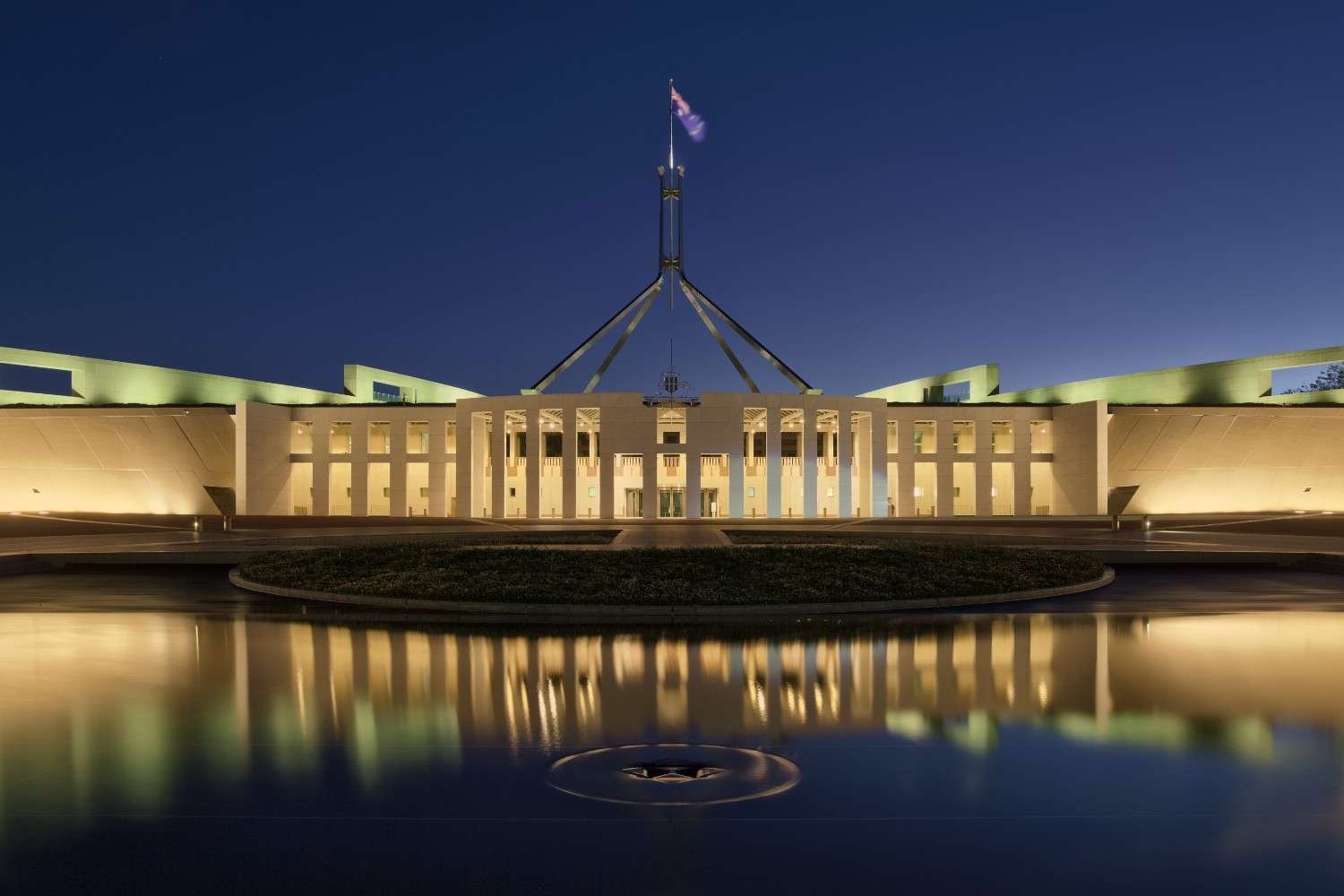
Australian Tax Reform: In anticipation of the impending budget announcement in May, the federal government is reportedly planning what could be one of the most significant economic overhauls of recent times. The federal Treasurer, Jim Chalmers, has gone on record indicating an ambitious budget focused on taxation reform, addressing the challenges of modern times.
For investors, business owners, and individuals across the country, the impending Federal Budget appears to be an inflection point for determining the future economic course of action for Australia.
The Driving Forces for Economic Restructuring

Image Source: Wikipedia
The need for an economic policy reform is not being driven by isolated circumstances. In light of the challenges posed by an economic system recovering from the pandemic, rising and falling levels of inflation, and an increasingly stressed property market, the federal government is looking for solutions that will be more sustainable.
According to Treasurer Jim Chalmers, incremental changes will no longer be adequate. Instead, the federal government has decided to put more emphasis on structural reforms that will improve productivity, increase investments, and create a more equitable tax system for workers and middle-class families. The federal government is looking to modernize economic structures and create a more viable future.
Key Areas of the Upcoming Federal Budget
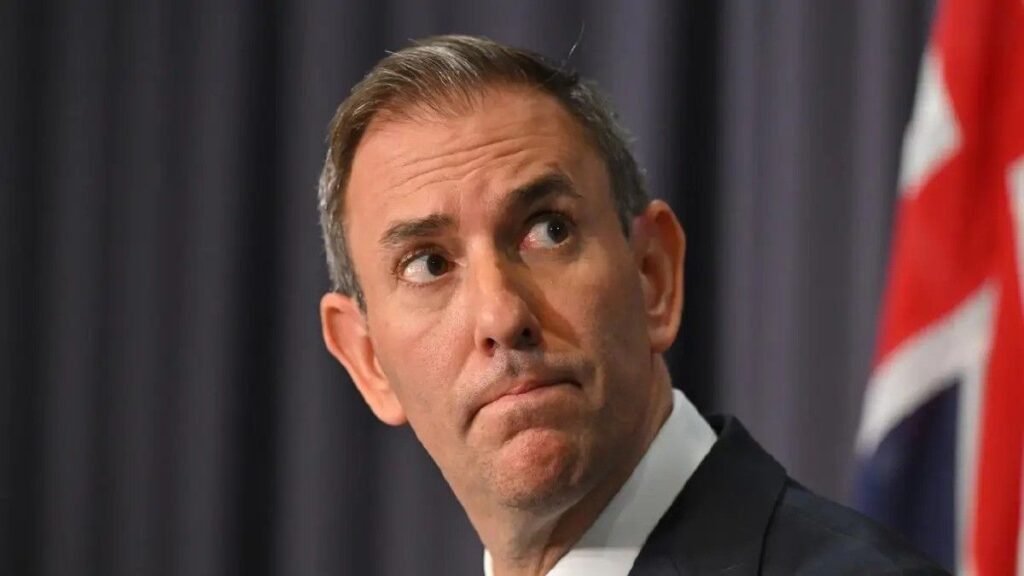
Image Source: Canberratimes
Although the full details are still closely guarded until the budget night in May, initial indications suggest that the following are some of the key areas of the upcoming Australian federal budget.
Changes to Capital Gains and Property Taxes
One of the major aspects of the Australian federal budget that is likely to be included in the tax reform proposals is the area of property and capital gains tax.
Capital Gains Tax (CGT) Adjustments: It is highly likely that the upcoming Australian federal budget will consider changes to the capital gains tax concessions that are made available to Australian tax payers.
Impact on the Australian Property Market: It is likely that the Australian federal budget proposals may consider changes to the tax incentives available to individuals buying properties in the Australian real estate market. It is also likely that the Australian federal budget may consider incentives for first-time buyers of homes in the Australian real estate market.
Business Tax Relief and Innovation Incentives
In the business sector, the Treasurer’s measures offer a two-pronged message of relief and reform. The business sector is the engine of employment, and the budget will likely reflect this.
Corporate Tax Adjustments: The government will need to find ways to make business taxes more streamlined to ensure global competitiveness. This may involve providing tax relief to small and medium-sized businesses to offset rising business costs.
Encouraging Innovation: New incentives will likely be put in place to encourage businesses to embrace green energy, digitalization, and supporting local manufacturing. The Treasury will seek to reward businesses that invest in the future of the country.
Implications for Everyday Citizens and Investors

Whenever the phrase “tax reform” is raised, the first question on everyone’s lips is who will pay the price and who will benefit. For the average citizen, the government’s intentions will likely mean cost-of-living benefits, possibly through income tax bracket changes to offset bracket creep. The average citizen will benefit if the reforms work as intended.
However, high-net-worth individuals and property tycoons may find themselves under the microscope with tougher measures. Financial advisers are already instructing clients to prepare for a future where traditional tax loopholes are closed, making it impossible to minimize tax.
Anticipated Industry and Political Reactions
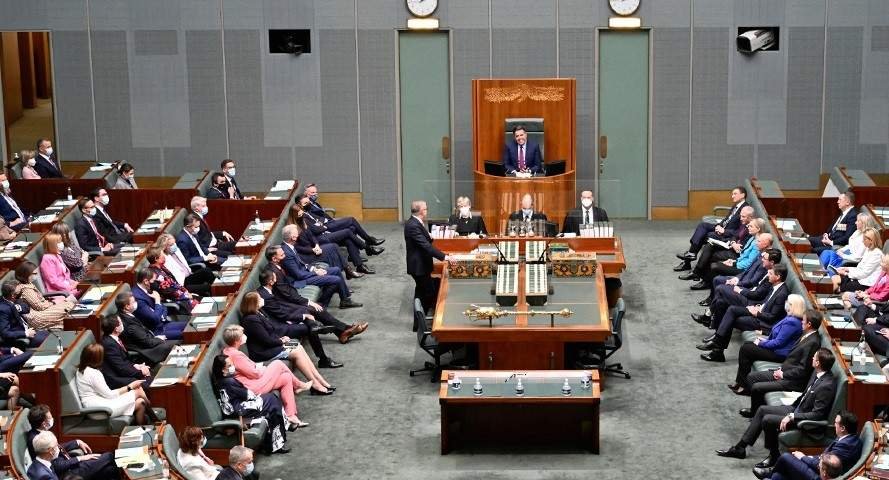
A bold budget will inevitably face intense scrutiny. Industry groups, from the Business Council to property groups, are already lobbying to protect their interests.
The opposition will inevitably label the reforms as a “tax grab,” leading to a spirited debate leading up to the election. However, economists agree that if the government manages to find a balance between stimulating business and addressing housing inequality, the government will cement a legacy of economic stability.
Looking Ahead to May
As we move closer to the official release of the budget, the financial sector is on high alert. Treasurer Jim Chalmers has promised a budget that not only manages but also reforms the economy. Whether this promise will be fulfilled remains to be seen.
What is certain is that business owners, accountants, and investors must remain alert as the rules governing the financial landscape are set to change. Gathering information on this new economic landscape is essential.
Conclusion: Preparing for a New Economic Era
The upcoming May budget is not just another financial update but a clear statement of intent by the federal government. The federal government is trying to create a more resilient economy by fixing problems like capital gains, property taxation, and business incentives. While we do not know what this new economic landscape holds, we do know that one thing is clear: tax reform is on the horizon.
This is the best way to safeguard one’s resources and capitalize on the opportunities that the changing economic scene in Australia has to offer.
Frequently Asked Questions (FAQs)
When can the public expect the full disclosure of the Australian tax reform details?
The full disclosure of the tax reform details can be expected when Treasurer Jim Chalmers announces the details of the Federal Budget in May this year. So far, the government only indicated the areas of focus.
How can the new Australian budget affect property investors?
Although the exact figures are still not disclosed, the government is studying the Capital Gains Tax (CGT) and the existing property tax schemes to address the issue of housing affordability, which may limit the incentives and regulations on speculative buying.
Are there any anticipated benefits for small and medium-sized enterprises (SMEs)?
Yes, the Treasurer has indicated that the budget will incorporate measures that are aimed at improving productivity, which is expected to manifest as corporate tax adjustments, respite from escalating operating expenses, as well as the introduction of incentives for enterprises that are investing in digital transformation and renewable energy.
Will the forthcoming tax reform provide cost-of-living relief?
Yes, this is highly probable, as the government is anticipated not only to address the structural reforms but also to address bracket creep, as well as provide targeted tax respite for middle- and lower-income earners.
Why is the government pursuing changes to the tax system at this time?
The current drive for reform is a response to the economic challenges that have been brought about by the pandemic, as well as the tightness of the housing market, with the government arguing that the current financial systems are outdated and that they need to be modernized in order to facilitate long-term economic growth.
Read My Website Recent News Article: MIIP Protein
