


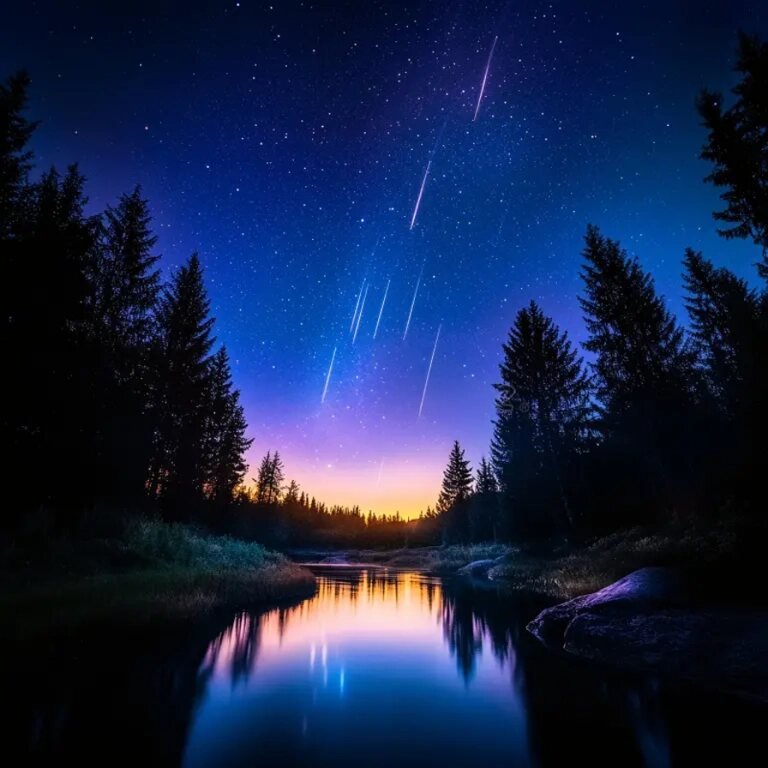
Glowing Forests: Scientists have discovered that glowing forests are not just fantasy after detecting, for the first time in nature, tiny bursts of ultraviolet light emitted from tree leaves during thunderstorms. Meteorologists observed this phenomenon creates a swath of glow across treetops that would be visible with superhuman vision. Meanwhile, the European Space Agency launched an investigation after a fireball, which glowed for around six seconds just before 7 pm Central European time on March 8, punched through a German home’s roof. The celestial event was observed across Belgium, France, Germany, Luxembourg, and the Netherlands. These remarkable discoveries highlight a week filled with groundbreaking scientific revelations that challenge our understanding of natural phenomena.
Trees Emit Ghostly UV Light During Thunderstorms in Groundbreaking Discovery
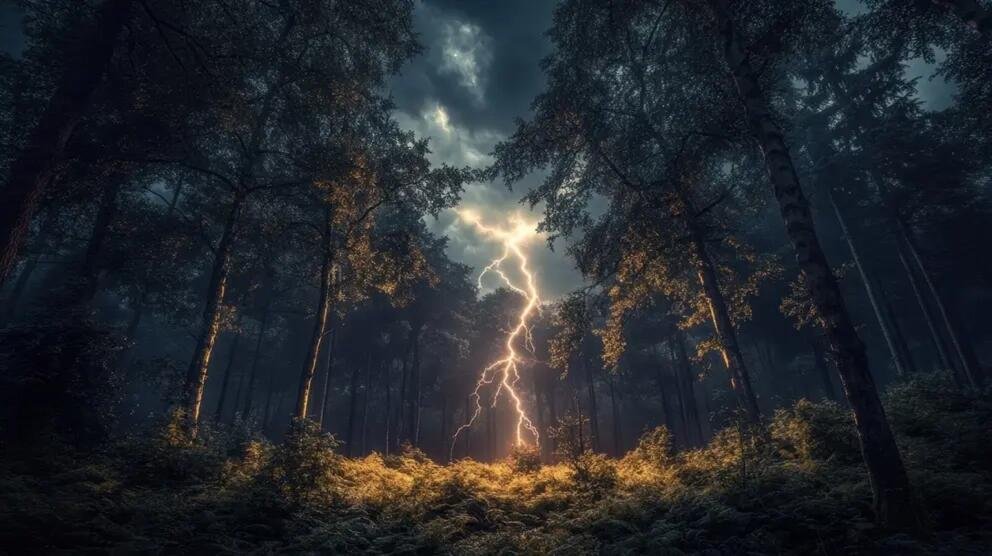
For almost a century, scientists speculated about electrical discharges on plants during thunderstorms but lacked concrete evidence from nature. Prior to this breakthrough, researchers observed the phenomenon only in laboratory settings. Patrick McFarland, a meteorologist at Pennsylvania State University, recreated coronae by placing tree branches beneath charged metal plates. “In the laboratory, if you turn off all the lights, close the door and block the windows, you can just barely see the coronae. They look like a blue glow,” McFarland said.
The lab success prompted field validation. McFarland’s team outfitted a 2013 Toyota Sienna with a mobile weather station, electric field detector, laser rangefinder, and roof-mounted periscope directing light to an ultraviolet camera. In the summer of 2024, they storm-chased from Florida to Pennsylvania.
Their most significant observation occurred in Pembroke, North Carolina. The team recorded a sweetgum tree and loblolly pine for 90 minutes, detecting 41 coronae. Each corona lasted between 0.1 to 3 seconds, hopping from leaf to leaf in sporadic patterns. Similar effects appeared across the U.S. East Coast.
The coronae burn leaf tips within seconds, potentially damaging the protective cuticle. Repeated exposure could harm canopy health, possibly influencing tree evolution over millennia to minimize such damage.
European Fireball Strikes German Home as ESA Launches Investigation
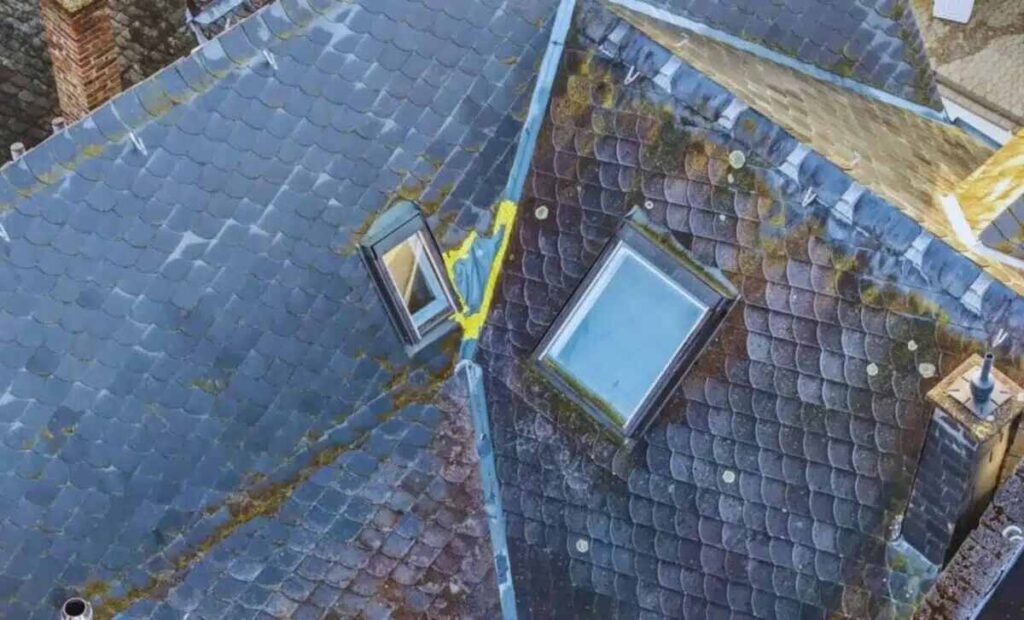
Image Source: The Daily Galaxy
At approximately 6:55 pm local time on March 8, residents across northwestern Europe witnessed an incandescent object streaking through twilight skies. The fireball glowed for approximately six seconds, moving from southwest to northeast before fracturing into pieces. More than 2,800 sightings flooded the International Meteor Organization, with observers in Belgium, France, Luxembourg, the Netherlands, and Germany reporting the brilliant display.
The AllSky7 network, a system of 24-hour skygazing cameras established in 2018 and operated by private citizens, recorded the trajectory in several locations. This data allowed astronomers to quickly determine where fragments might have crash-landed. The task became simpler when news organizations reported mysterious debris damaging several buildings in Rhineland-Palatinate.
One meteorite punched a football-sized hole through a roof in Koblenz-Güls, landing in an unoccupied bedroom below. No injuries occurred. Some witnesses heard the fireball’s roar from the ground.
The European Space Agency’s Planetary Defense team began analyzing collected data, estimating the object measured up to a few meters in diameter. Objects this size strike Earth from once every few weeks to once every few years. Given that timing and direction prevented telescope detection, the event marked only the 12th successful natural space object detection prior to atmospheric entry. Juan Luis Cano, an aerospace engineer with ESA’s Near-Earth Object Coordination Center, called the event “really fantastic”.
Week’s Other Major Science Breakthroughs Reshape Medical Understanding
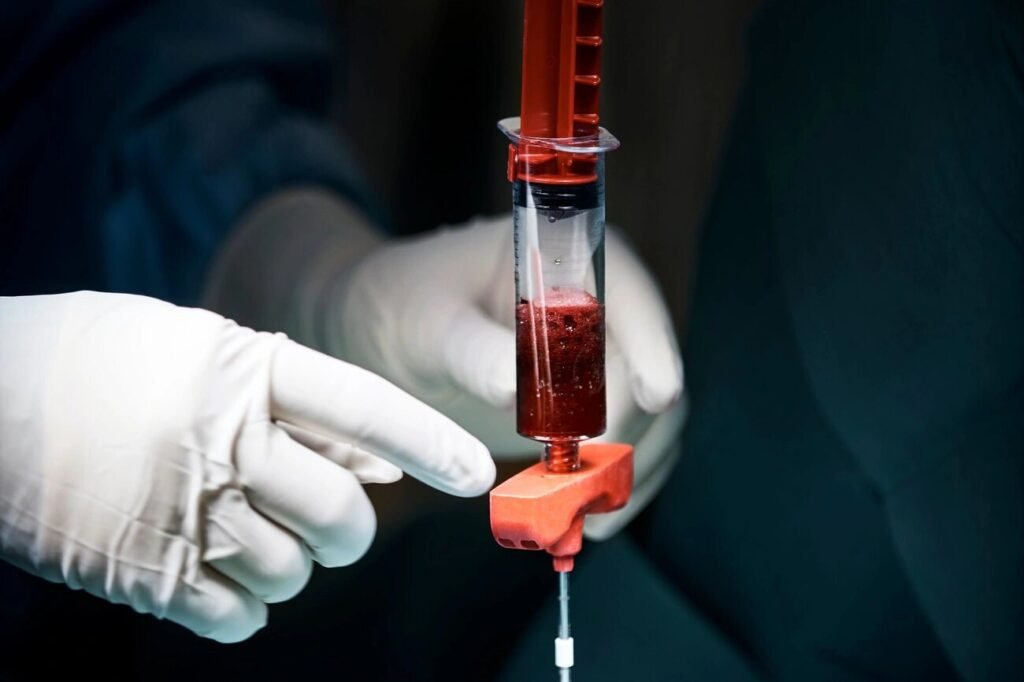
Image Source: WIRED
Research published this week reveals anti-aging supplements may fuel cancer growth under specific conditions. Tokyo University of Science biochemists analyzed more than 6,700 proteins to demonstrate how polyamines, particularly spermidine, trigger different effects in healthy versus cancerous tissues. In normal cells, polyamines activate mitochondria through a protein called eIF5A1. Cancer cells hijack this mechanism through eIF5A2, a nearly identical protein sharing 84% amino acid sequence similarity, to accelerate tumor proliferation. The findings explain why elevated polyamine levels consistently appear in aggressive cancers despite their documented longevity benefits.
Japan approved the world’s first commercial treatments using induced pluripotent stem cells on March 6. Sumitomo Pharma’s Amchepry treats Parkinson’s disease by transplanting dopamine-producing cell precursors into patients’ brains, while Cuorips’ ReHeart addresses severe heart failure using muscle sheets that form new blood vessels. Both received conditional approval under a fast-track system requiring efficacy confirmation within seven years.
Separate research uncovered how common eastern bumblebee queens survive week-long submersion during spring floods. The insects combine underwater respiration with anaerobic metabolism, reducing carbon dioxide production from 15.42 to 2.35 microliters per hour per gram during eight-day submersion periods. Furthermore, evolutionary biologists linked appendix presence to increased maximum longevity across 258 mammalian species, with the organ evolving independently at least 16 times.
Conclusion
This week’s scientific discoveries demonstrate nature’s hidden complexities, from ultraviolet coronae dancing across forest canopies to celestial debris penetrating European homes. As a result, researchers gain fresh insights into phenomena previously confined to speculation and laboratory environments. The breakthroughs in medical science, as well as revelations about bumblebee resilience and evolutionary biology, underscore humanity’s expanding knowledge frontier. Each finding challenges conventional understanding, revealing that both terrestrial and cosmic mysteries continue awaiting patient, systematic investigation by dedicated scientific communities worldwide.
FAQs
Q1. What causes trees to glow during thunderstorms?
Trees glow due to the emission of tiny bursts of ultraviolet light, known as coronae, which occur during thunderstorms. This happens when there are electrical discharges on the leaves of the tree. The coronae appear as a blue glow and persist for a duration between 0.1 to 3 seconds. These coronae jump from one leaf to another in a sporadic fashion. Although these coronae are not visible to the naked eye, they can be seen with the help of an ultraviolet camera.
Q2. Where did the meteorite fall in Germany, and what damage did it cause?
On March 8, a meteorite crashed into a roof, creating a football-sized hole. The meteorite then fell into an unoccupied bedroom. The fireball was visible for six seconds over five countries, including Belgium, France, Luxembourg, the Netherlands, and Germany. However, no injuries were reported due to this meteorite fall.
Q3. How do anti-aging supplements potentially lead to the growth of cancer cells?
According to a study, anti-aging supplements can lead to the growth of cancer cells. Polyamines, which are a part of anti-aging supplements such as spermidine, are known to accelerate the growth of cancer cells. These polyamines trigger healthy cells to produce a protein known as eIF5A1. However, cancer cells use a protein known as eIF5A2 to accelerate their growth.
Q4. What stem cell treatments did Japan recently approve?
Japan approved two groundbreaking stem cell treatments on March 6: Amchepry for Parkinson’s disease, which transplants dopamine-producing cell precursors into patients’ brains, and ReHeart for severe heart failure, which uses muscle sheets that form new blood vessels. Both treatments received conditional approval requiring efficacy confirmation within seven years.
Q5. How do bumblebee queens survive underwater during floods?
Common eastern bumblebee queens can survive week-long submersion during spring floods by combining underwater respiration with anaerobic metabolism. During eight-day submersion periods, they dramatically reduce their carbon dioxide production from 15.42 to 2.35 microliters per hour per gram, allowing them to endure extended periods underwater.
Read My Website Recent News Article: Roosters Spoil Historic NRL Moment as Fans Storm Field
