


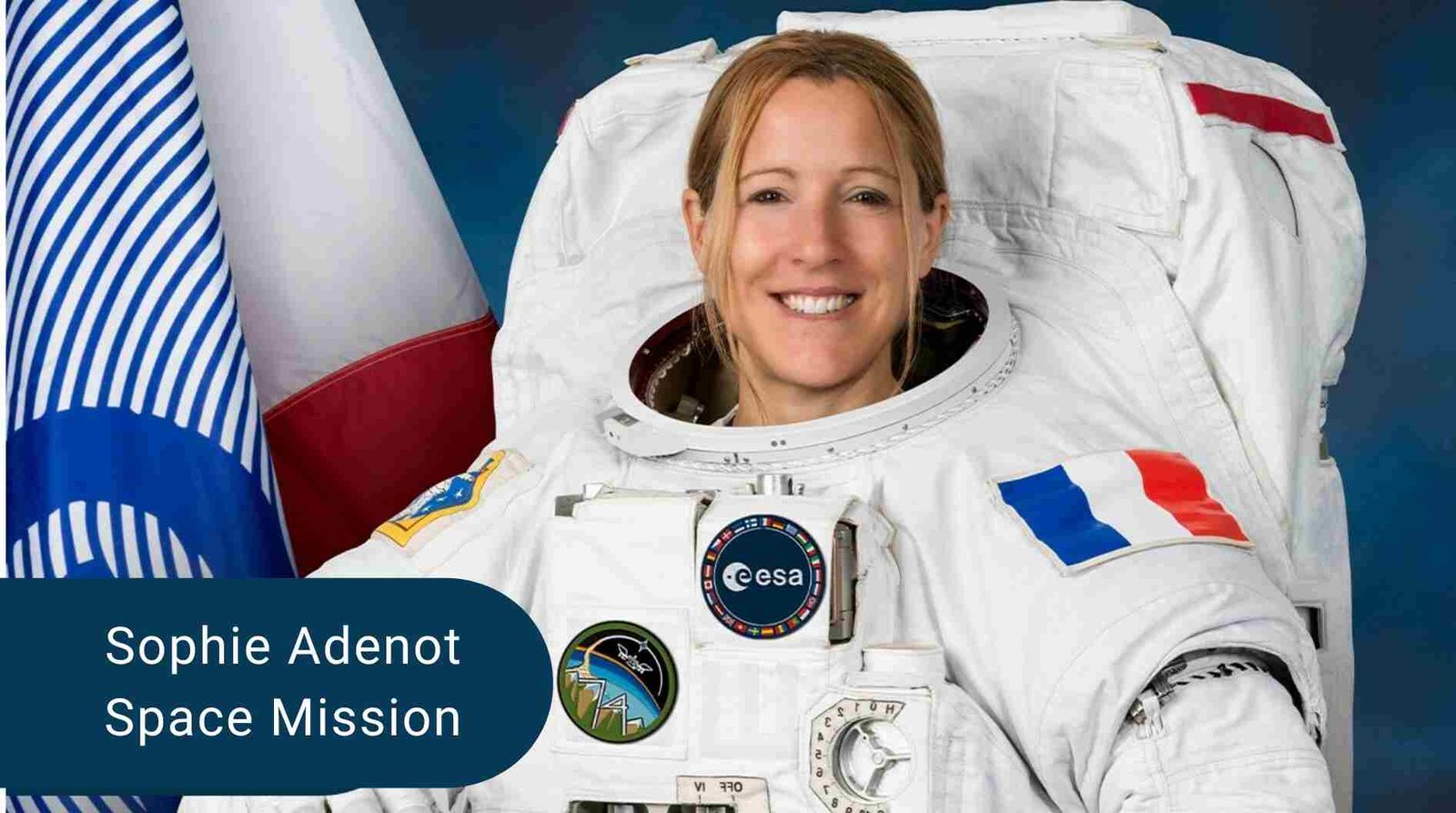
Sophie Adenot Space Mission: The wait for a new era in European space exploration is officially underway. Sophie Adenot, a name that has been at the forefront of the space community, is now on the verge of completing the final preparations for her maiden voyage to the cosmos. The European Space Agency (ESA) recently confirmed that Adenot is “mission-ready,” a major step forward for France and the European space program as a whole.
The Journey from Elite Pilot to Space Explorer: The Sophie Adenot Story
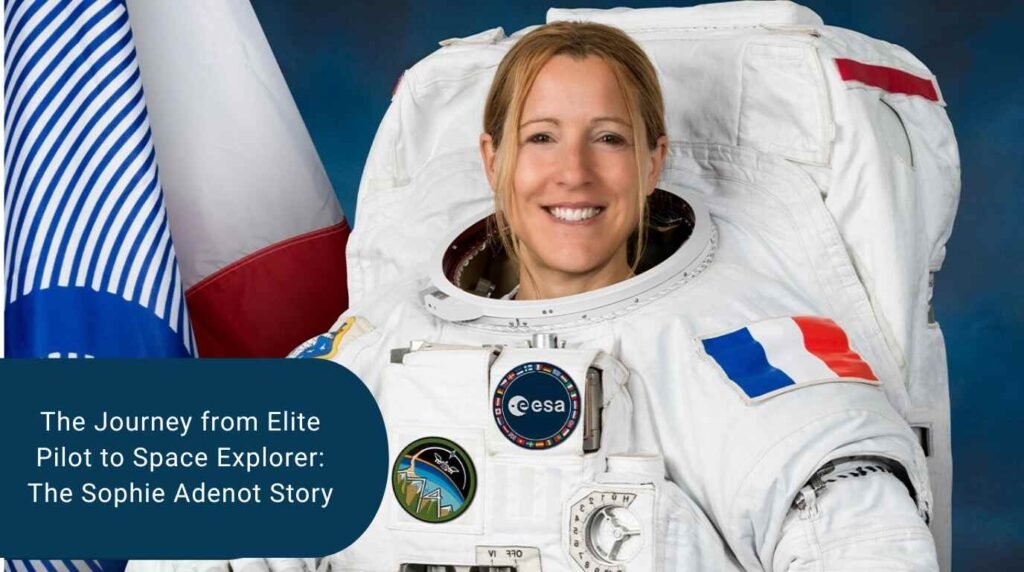
The Sophie Adenot Space Mission is more than just a milestone for the astronaut herself. It also symbolizes the growth of space exploration for Europe. Before being chosen as part of ESA’s 2022 astronaut intake, Adenot was a senior helicopter test pilot for the French Air and Space Force. Before embarking on her journey to the International Space Station (ISS), Adenot has proven that she is more than capable of handling the rigors of space travel.
The Sophie Adenot Space Mission is more than just a milestone for the astronaut. It symbolizes the growth of space exploration for Europe.
A Rigorous Training Course
The process of becoming an astronaut is a trial by endurance that only a select few can pass. Over the past few years, Sophie has been undergoing rigorous training at the European Astronaut Centre. This training has included:
- Survival Training: Training on how to survive in hostile environments in the event of an off-target landing.
- Neutral Buoyancy Simulations: Training for spacewalks in large underwater tanks to simulate the experience of weightlessness.
- Scientific Competence: Familiarization with the complex equipment she will be using during her time in orbit around the Earth.
Mission Goals: Science and Discovery at the ISS
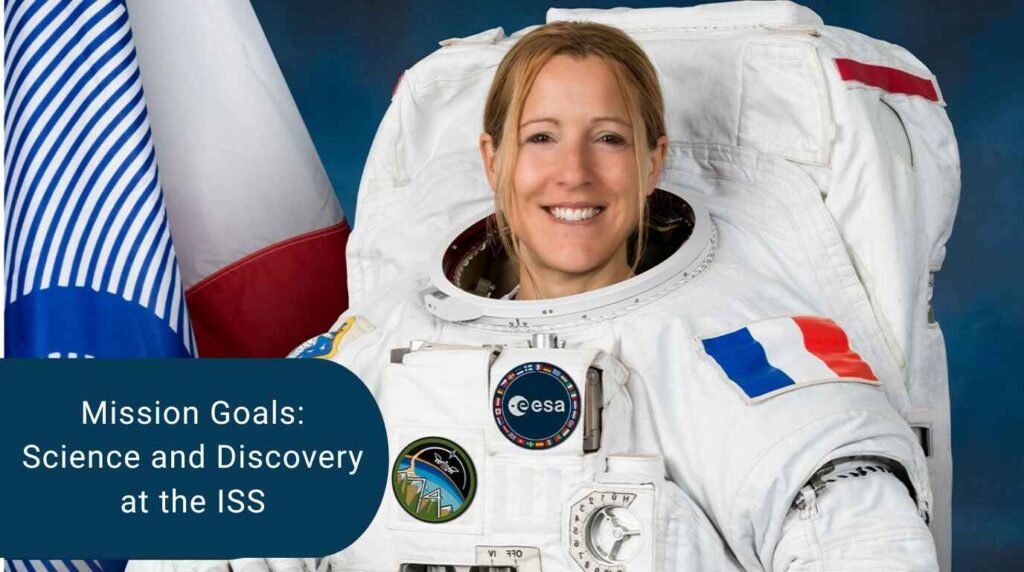
Once Sophie arrives at the International Space Station (ISS), Adenot’s agenda will include more than just observation. The mission is strongly focused on the advancement of human knowledge through microgravity research.
Carrying Out Pioneering Research
The main agenda of her mission will be the execution of a series of European-led research projects. These include investigations into the effects of space on the human cardiovascular system and the development of innovative sustainable technologies that could be used in future lunar bases. The information gathered during her time on the ISS will be critical for the success of the Artemis mission and future Mars missions.
Why This Mission Matters for the Future
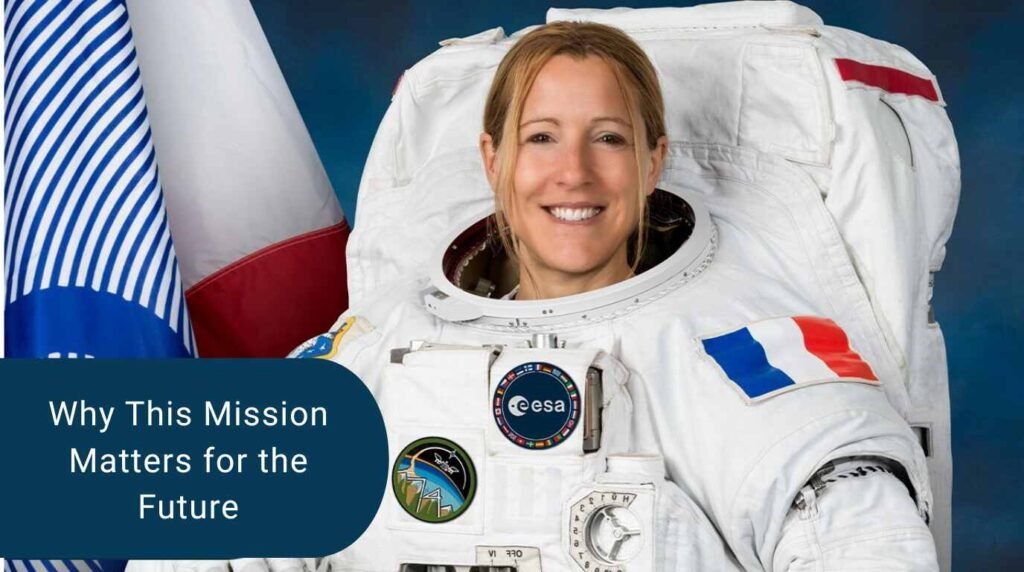
The success of Sophie Adenot is a shining example for the next generation of scientists and adventurers. By shattering barriers and embarking on this mission of high stakes, she proves that the future of space is diverse and endless.
As the world watches her climb aboard the spacecraft, the “Sophie Adenot Space Mission” proves that the torch of exploration is burning brightly. Europe is no longer just a part of the space race; it has taken a leadership role, and Sophie Adenot is leading the charge into the unknown.
Conclusion
The Sophie Adenot Space Mission is more than just a footnote in a flight list; it represents the path of European ambition. As Sophie moves from leading a helicopter to leading a spacecraft, she represents the aspirations of a continent ready to explore the final frontier. Her mission to the International Space Station will surely provide priceless scientific information; more importantly, it will provide a powerful reminder that with enough determination and hard work, the stars are within reach. As the countdown reaches zero, the world is ready to witness this modern-day trailblazer leave her indelible mark on history.
Frequently Asked Questions (FAQs)
Who is Sophie Adenot?
Sophie Adenot is a French engineer and astronaut who was selected by the European Space Agency (ESA) in 2022. Before being selected as an astronaut, Sophie was a well-known helicopter test pilot in the French Air and Space Force, where she held the rank of Colonel.
What is the primary objective of the Sophie Adenot Space Mission?
The primary objective of the Sophie Adenot Space Mission is scientific research and technology demonstration on the International Space Station (ISS). Sophie will perform experiments on human physiology, biology, and materials science to help prepare for long-duration missions to the Moon and Mars in the future.
When will Sophie Adenot go to space?
After being assigned to her mission in early 2024, Sophie has been undergoing rigorous training. Her first mission to the ISS is scheduled for 2026, which is a major milestone for the current class of astronauts at ESA.
Why is Sophie Adenot’s mission significant for France?
Sophie is only the second French woman in history to be selected for a space mission, following in the footsteps of Claudie Haigneré. Her mission reinforces France’s leading role in global aerospace and inspires a new generation of women to pursue careers in STEM.
How do astronauts like Sophie prepare for weightlessness?
Preparation involves hundreds of hours in the Neutral Buoyancy Laboratory—a massive pool where astronauts wear pressurized suits to simulate the experience of a spacewalk. They also fly in “Parabolic Flights” (often called the Vomit Comet) to experience short bursts of zero gravity.
My Website Recent News Article: Winter Olympics 2026
